The answer
How do I get rid of acne?
A spot begins where you cannot see it. The pore is lined with skin, that lining sheds cells like the rest of you, and in acne-prone skin the cells shed faster than they clear. They plug the opening, oil backs up behind the plug, and the bacterium that lives quite happily in every pore suddenly has more to eat. The redness that follows is not the bacterium and it is not dirt -- it is your own immune system arriving. That single fact rearranges everything: you cannot wash out a blockage that sits under the skin, scrubbing inflames what is already inflamed, and a cleanser that leaves the face tight has taken oil off the surface while the pore carries on filling underneath. What does work is unglamorous. Stop stripping. Get an ingredient inside the pore rather than over it. Calm the inflammation, because inflammation is what leaves the mark. And give it eight to twelve weeks, because that is how long skin takes to turn over enough times to show the change.
What answers it
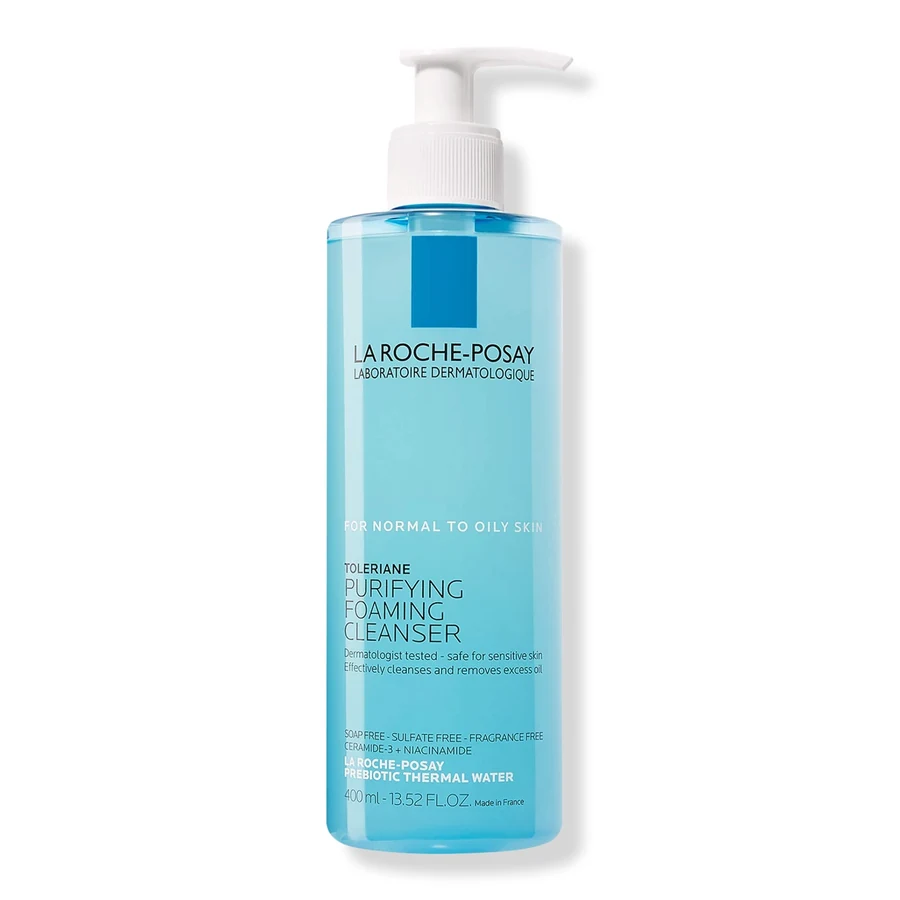 La Roche-PosayToleriane purifying foaming cleanserThe step most people get wrong by trying hardest. Acne-prone skin tends to be washed with something that leaves it squeaky, and squeaky is a stripped barrier -- which flushes, stings whatever comes next, and pushes oil production up rather than down. A cleanser that removes the day and leaves the face comfortable is doing the whole of its job.Buy on Amazon
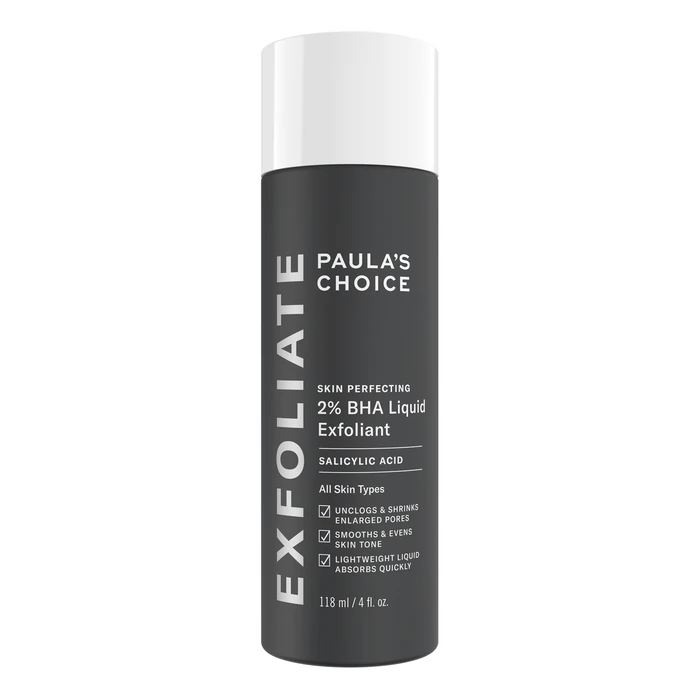 Paula's ChoiceSkin Perfecting 2% BHA liquid exfoliantThe one that reaches the actual site. Salicylic acid is oil-soluble, so it travels into a pore full of oil; glycolic and lactic acids are water-soluble and work across the surface instead. That difference, rather than strength, is why BHA is the acid for spots and AHA is the acid for texture and dullness. Start on a few nights a week rather than nightly.Buy on Amazon
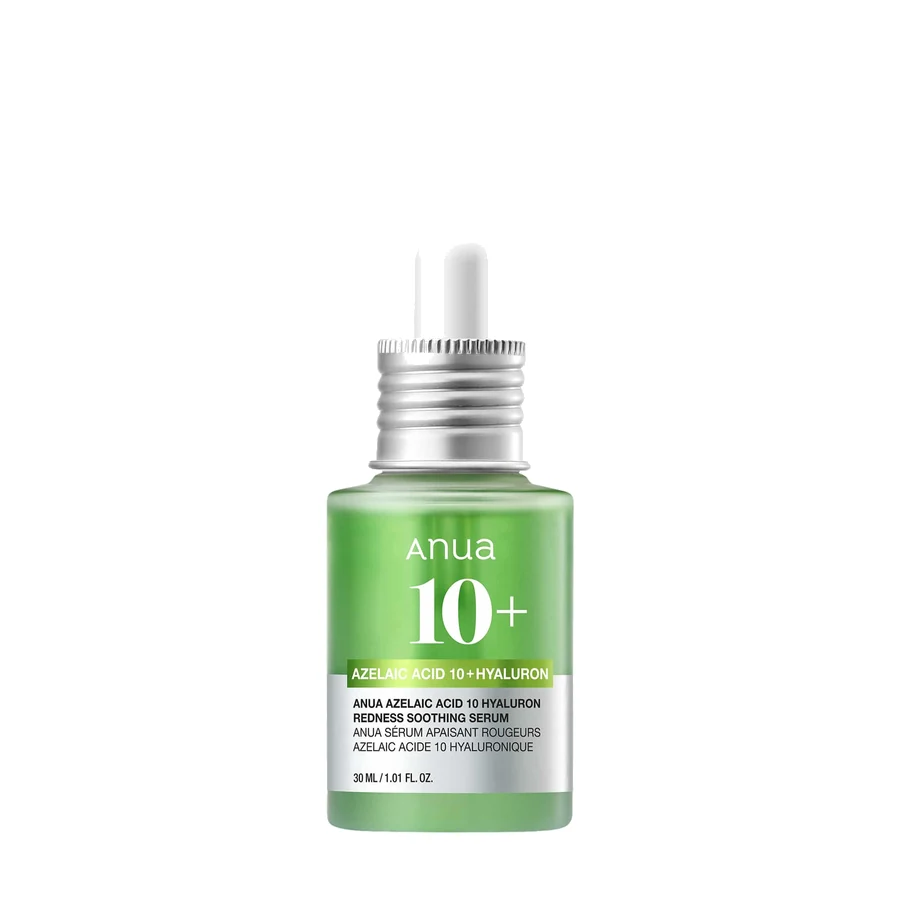 AnuaAzelaic Acid 10 Hyaluron Redness Soothing SerumFor the redness rather than the spot, which is the half people stop treating too early. Azelaic acid works on the inflammation and on the brown or pink mark a spot leaves behind, and it is one of the few actives usually tolerated by skin that is already irritated -- including skin that flushes.Buy on Amazon
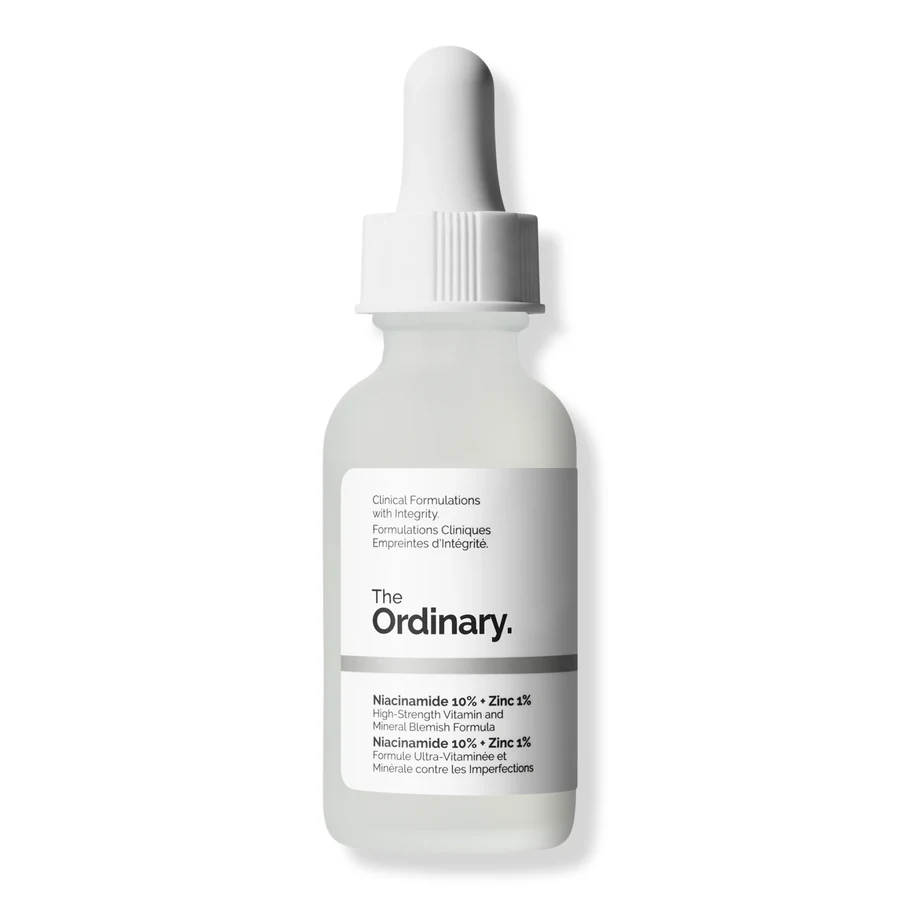 The OrdinaryNiacinamide 10% + Zinc 1%The slow, structural one: niacinamide on oil output and on the barrier that acne treatment tends to wreck. Nothing about it is dramatic in week one, which is why it belongs in a routine you are keeping for three months rather than in a rescue plan for Friday.Buy on Amazon
Prices live on Amazon, where they change hourly — so we never quote one. Every product here is a brand we would name out loud.
Squeaky clean is the wrong target
Tightness after washing is not cleanliness, it is a barrier with its lipids removed. Skin answers by making more oil, and every active you apply afterwards stings on a surface that has lost its defences -- so the routine gets abandoned as too harsh. Wash twice a day, not more, with something that leaves the face feeling like skin rather than like a plate.
Oil-soluble is the whole reason BHA is the acne acid
A blocked pore is blocked with oil and dead cells. Salicylic acid dissolves into oil and therefore into that plug; the alpha hydroxy acids stay in water and work on the surface above it. Both are useful and they are not interchangeable, which is why a glycolic toner can transform dullness and do nothing at all for blackheads.
The mark is inflammation, so treat the inflammation
What most people call an acne scar is usually not a scar. It is a flat brown or pink mark left where the skin was inflamed, and flat marks fade -- slowly, and faster if the inflammation was calmed early and the mark is kept out of the sun. Picking is what turns a mark that would have faded into one that does not, because it drives the damage past the layer that repairs cleanly.
What a shelf cannot fix
Deep, painful lumps that sit under the skin for weeks and heal to a dent are nodular or cystic acne, and no product on any shelf is the answer to them -- that is a dermatologist and usually a prescription. The same goes for acne arriving with irregular periods or sudden hair changes, which is a hormonal question rather than a skincare one. Recommending a serum for either would be the same as recommending nothing.
Questions
- Can I use the BHA and the azelaic acid on the same night?
- You can, but not in the first month. Introduce one thing at a time and give it three or four weeks -- start three actives together and your face reacts, and you have no idea which one to drop. Once both are established, most people use the exfoliant on some nights and the azelaic acid on the others.
- How long before I see anything?
- Eight to twelve weeks for a fair judgement, and it is normal for the first fortnight to look no better. Skin renews on a cycle of weeks, so a treatment that changes how the pore lining behaves cannot show its work until several cycles have passed.
- Does diet cause it?
- For most people it is a smaller lever than the internet suggests, and treating it as the main cause delays the things that do work. The evidence is strongest for high-glycaemic diets and, in some people, skimmed milk -- worth knowing, not worth building a routine around instead of treating the skin.
- Should I stop wearing makeup?
- No. Foundation does not cause acne in the way it is usually blamed for, and going bare-faced while your skin is at its most visible is a real cost for no measured benefit. Take it off properly at night; that is the part that matters.
Your turn
What should we dress next?
An occasion you cannot find anything for, or a product you want us to look at properly.