The answer
How do I fade the dark spots on my face?
A dark spot is pigment that has already been made and delivered into the upper skin -- by sun, by a spot that healed badly, or by hormones. Two things fade it: turning skin over faster so the pigmented cells leave, and interrupting the enzyme that makes new pigment. Both take eight to twelve weeks, because that is how long skin takes to replace itself several times over. And both are wasted without daily sunscreen, because UV switches the pigment machinery straight back on -- which is why people who use a brightening serum without sunscreen report that it did nothing. It did; the sun undid it every afternoon.
What answers it
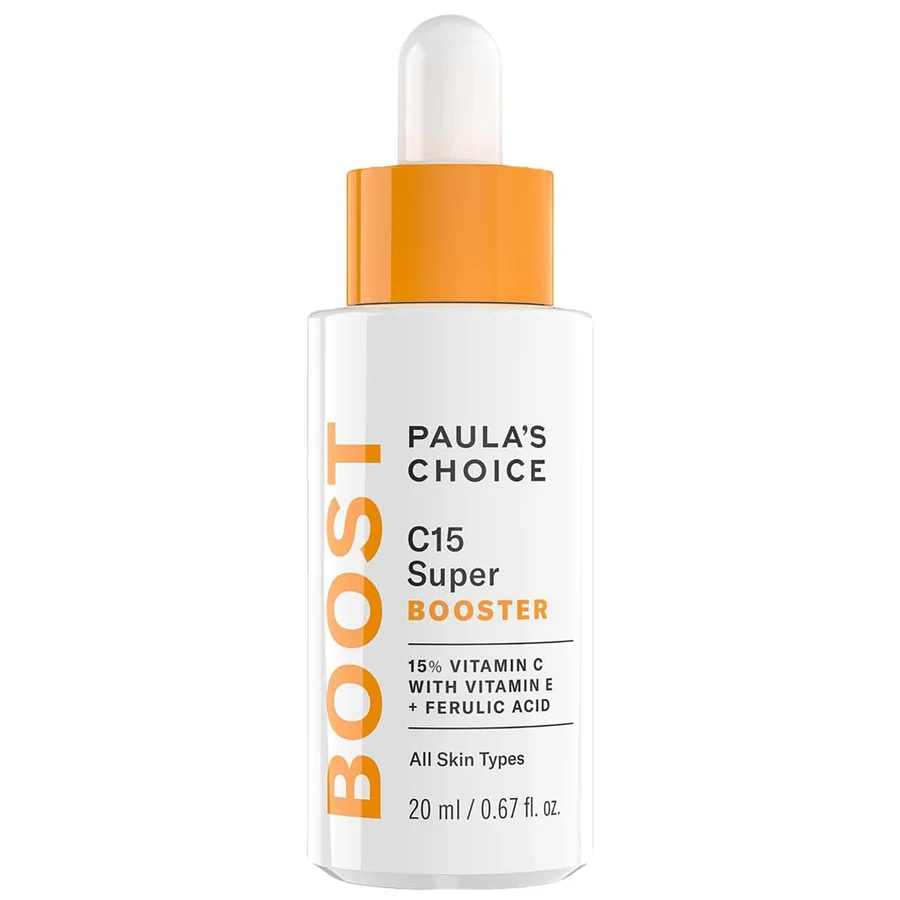 Paula's ChoiceC15 Super BoosterVitamin C at 15%, which interrupts pigment as it is being made. Morning, under sunscreen -- the two work on the same problem from opposite ends and the pair is much stronger than either.Buy on Amazon
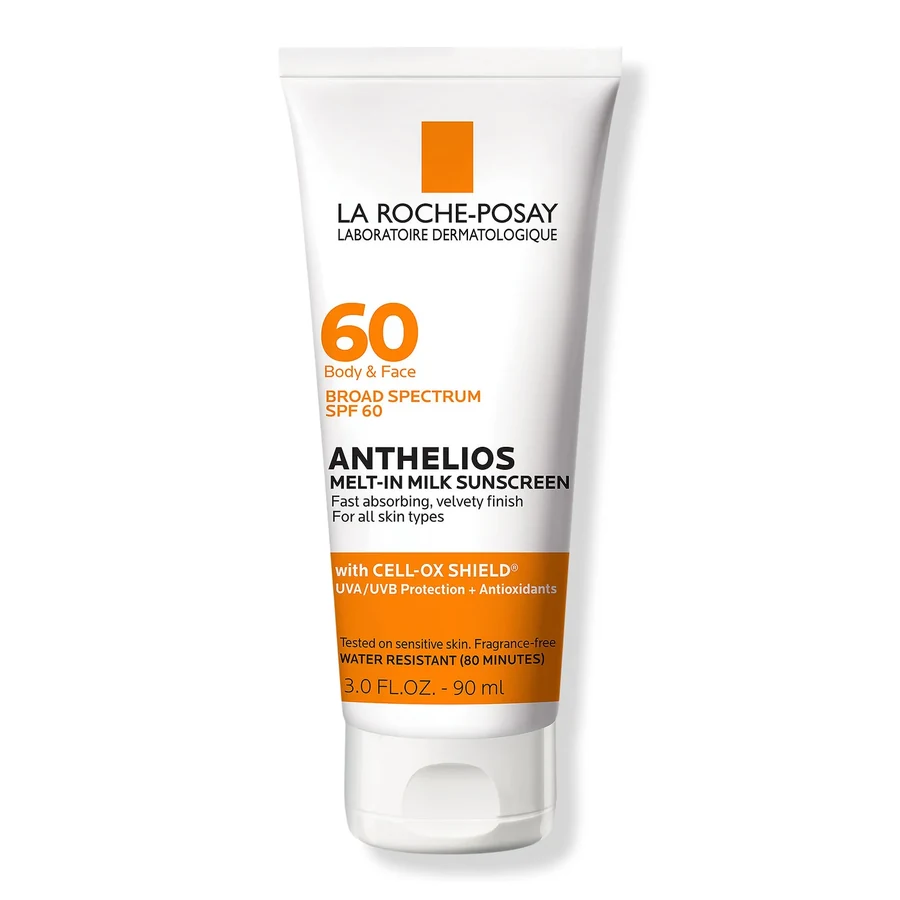 La Roche-PosayAnthelios Melt-In Milk SPF 60The one that decides whether any of the rest matters. Every fading routine is a race against the sun, and without this step the sun is winning it daily.Buy on Amazon
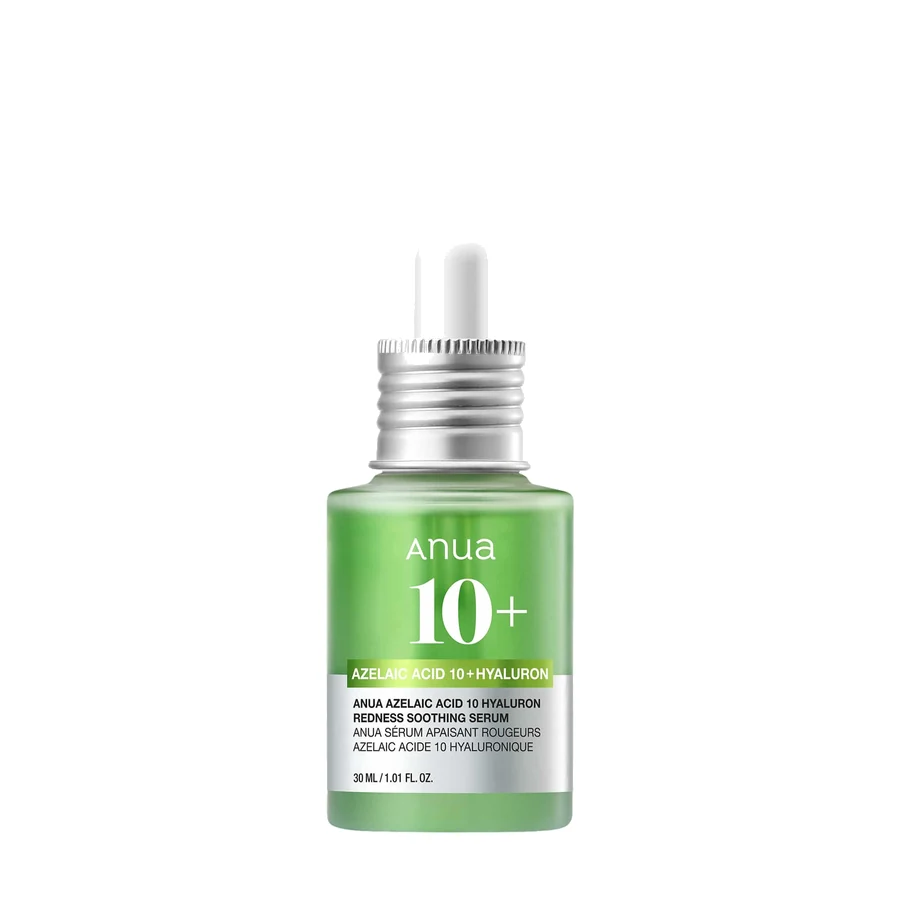 AnuaAzelaic Acid 10 Hyaluron Redness Soothing SerumAzelaic acid, for the specific case where the marks are what spots left behind. It works on the pigment and on what caused the spot, which no vitamin C does.Buy on Amazon
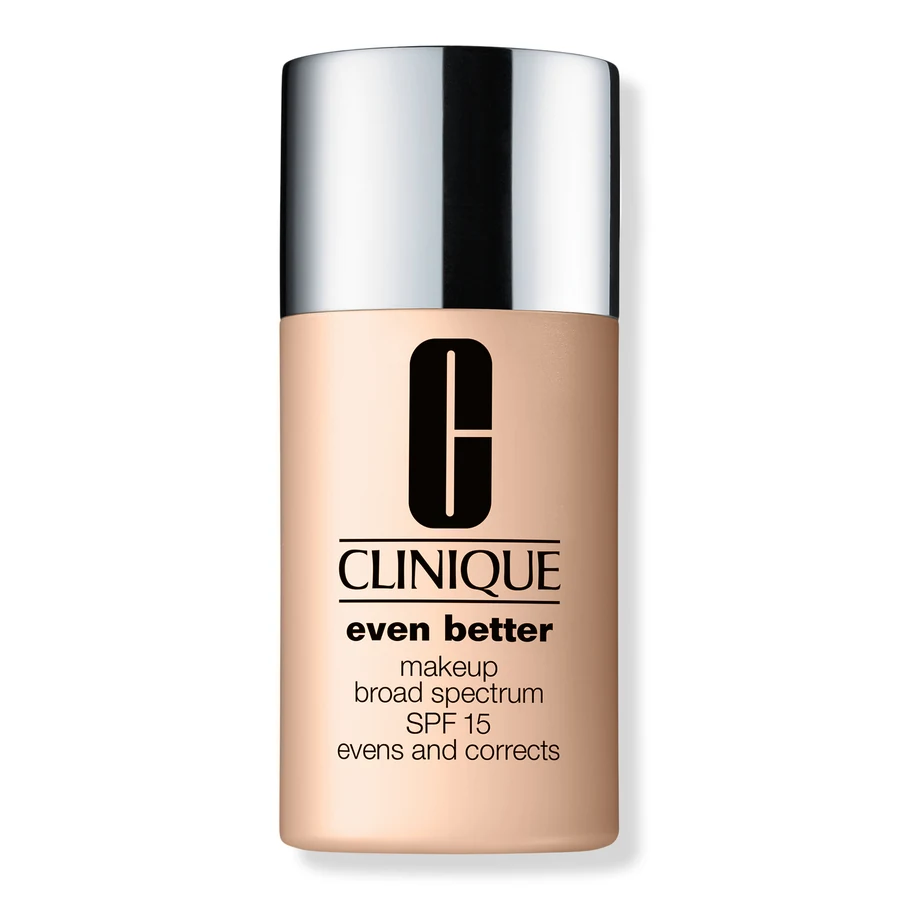 CliniqueEven Better Makeup SPF 15 foundationFor today, while the rest works over months. Evens tone visibly and carries SPF 15 -- useful, though not enough sunscreen on its own for a face that is actively fading pigment.Buy on Amazon
Prices live on Amazon, where they change hourly — so we never quote one. Every product here is a brand we would name out loud.
Know which kind you have, because they behave differently
Flat brown patches on cheekbones and the top lip that arrived symmetrically are usually melasma, which is hormonal, goes deeper, and comes back with heat and light -- it is managed rather than cured. Small distinct spots on the areas that catch sun are sun spots. Brown marks exactly where a spot used to be are post-inflammatory pigment, and those are the ones that genuinely do fade on their own, over months. Treating melasma with the expectation of a sun spot is the fastest route to disappointment.
Heat matters, not only light
Melasma in particular responds to heat as well as UV, which is why it flares over a hot stove, in a hot car and on holiday even under sunscreen. That is also the one place a tinted sunscreen earns its keep over a clear one, of either filter type: the iron oxides that give it colour are what block visible light, which no ordinary UV filter does. And it is why the same routine works all winter and appears to fail in July.
Do not pick, for pigment reasons
Every extra day of inflammation makes a darker mark, so squeezing a spot is not just a longer heal -- it is a bigger, browner mark afterwards, and on deeper skin tones markedly so. The strongest anti-pigment step available for post-inflammatory marks is simply leaving them alone.
Questions
- How long before I see anything?
- Eight to twelve weeks for a visible change, longer for melasma. Anything faster is either a surface exfoliation making skin brighter overall, or makeup. Judge a pigment routine at three months against a photograph, not in the mirror at week two.
- Is vitamin C or niacinamide better?
- They work at different points, so it is not really a contest -- vitamin C blocks pigment production and also protects against the UV damage that starts it, while niacinamide slows the transfer of finished pigment into the surface cells. Vitamin C is the stronger single choice; niacinamide is the gentler one on reactive skin.
- Does lemon juice work?
- No, and it does harm. It is acidic enough to burn, unstandardised in strength, and contains compounds that make skin react badly to sunlight -- which on a pigmentation problem is precisely backwards. This is one of the few home remedies that reliably makes the thing it treats worse.
- Do I need sunscreen indoors?
- If you sit by a window, yes: UVA passes through ordinary glass and it is UVA that drives pigment. For a face actively fading dark spots, that window seat is a daily dose working against the serum.
Your turn
What should we dress next?
An occasion you cannot find anything for, or a product you want us to look at properly.