The answer
Why is my hair so oily?
Hair does not produce oil. The scalp does, from glands beside each follicle, and the oil then travels down the shaft -- which is why roots go greasy while ends stay dry, and why treating the length does nothing for the problem. Three things decide how fast it shows. The first is how much oil you make, which is largely hormonal and not very negotiable. The second is buildup: conditioner, styling product and dry shampoo that never fully wash out leave a film that oil sits on top of rather than spreading through, so hair looks greasy sooner than it did a year ago on the same routine. The third is touching, because a hand through the hair moves oil from root to length and adds a little of its own. Washing removes oil, and washing more often genuinely removes more of it -- how often suits you depends on your scalp rather than on a rule. What washing more does not fix on its own is the buildup, because an everyday shampoo is not formulated to strip it, and it does not touch where the conditioner is going. What actually changes the picture is where you put conditioner, how often you reset, and having something for the day between washes.
What answers it
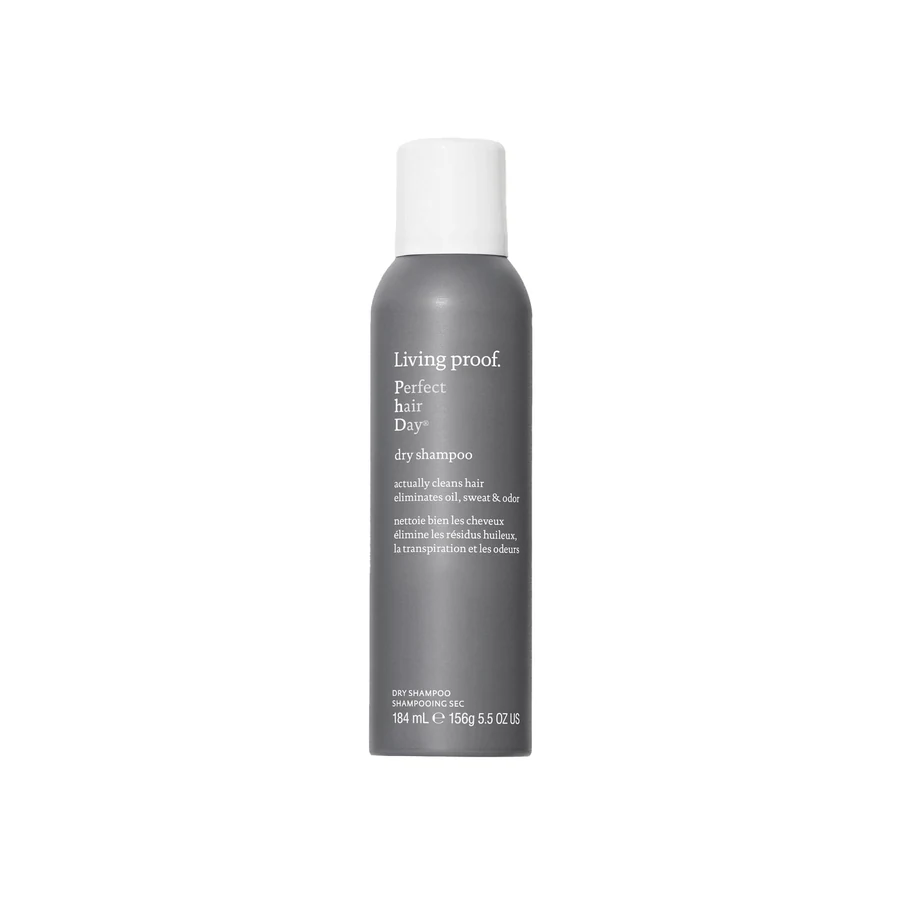 Living ProofPerfect hair Day dry shampooFor the day between washes, and the only pick here that works on the day you use it. It absorbs at the root, which is where the oil is made -- the reason a root-aimed powder beats anything applied down the length. It also leaves grip rather than slip, so second-day hair holds a style better than first-day hair does, which is why some people prefer the second day.Buy on Amazon
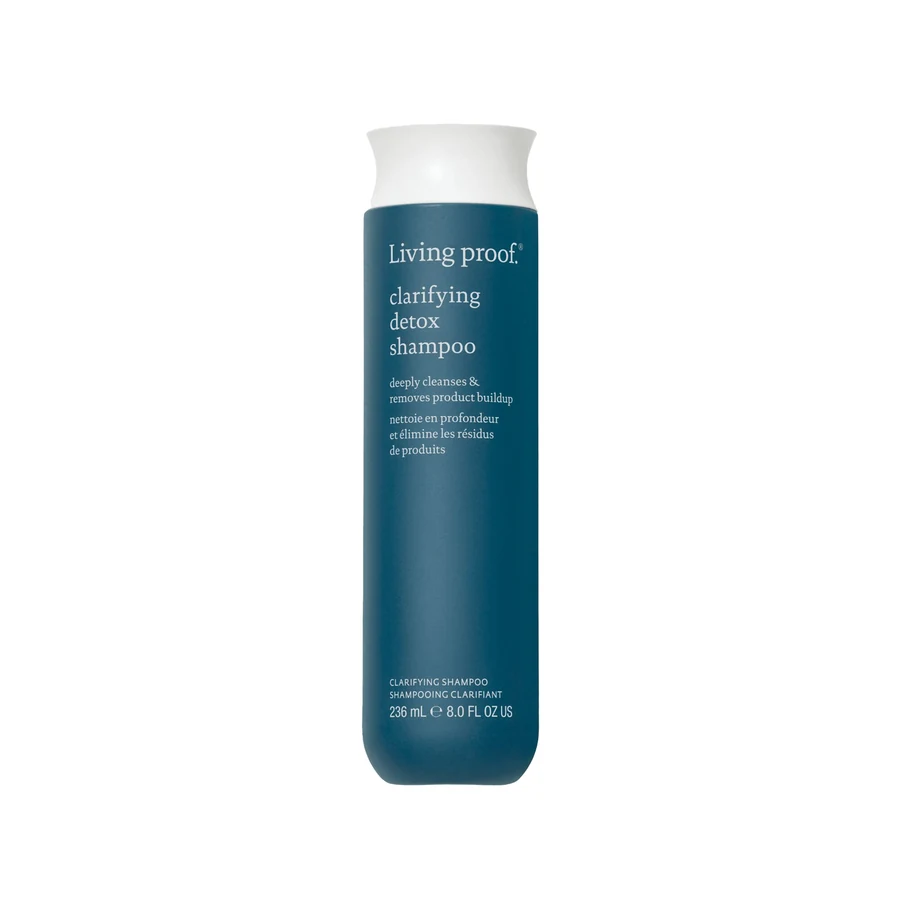 Living ProofClarifying Detox shampooThe reset, for when hair gets greasy faster than it used to on a routine that has not changed. That is usually buildup rather than more oil, and an ordinary shampoo is not trying to remove it. Occasional rather than regular: clarifying strips, and a stripped scalp is uncomfortable enough to be worth avoiding on its own.Buy on Amazon
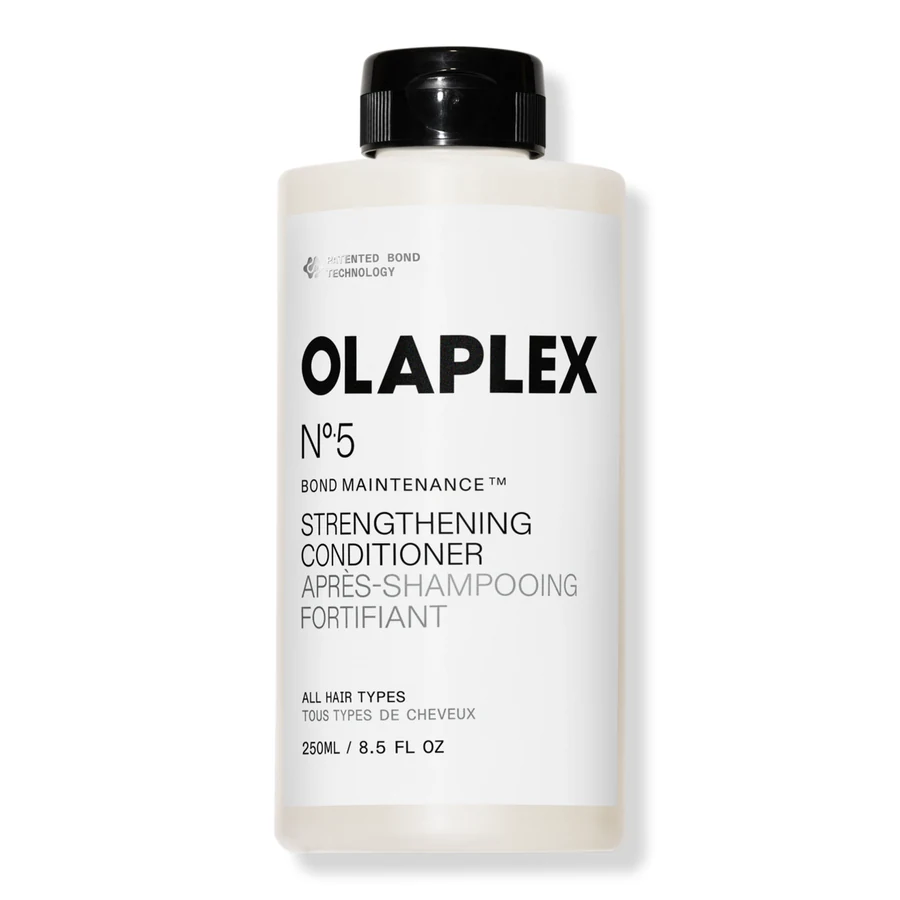 OlaplexN°.5 Bond Maintenance strengthening conditionerOn the page because of where it goes, not what it is. Conditioner belongs on the mid-lengths and ends, never at the roots -- roots are the one part of your hair that is already conditioned, by the scalp. Half the people who describe greasy hair are conditioning the greasy part.Buy on Amazon
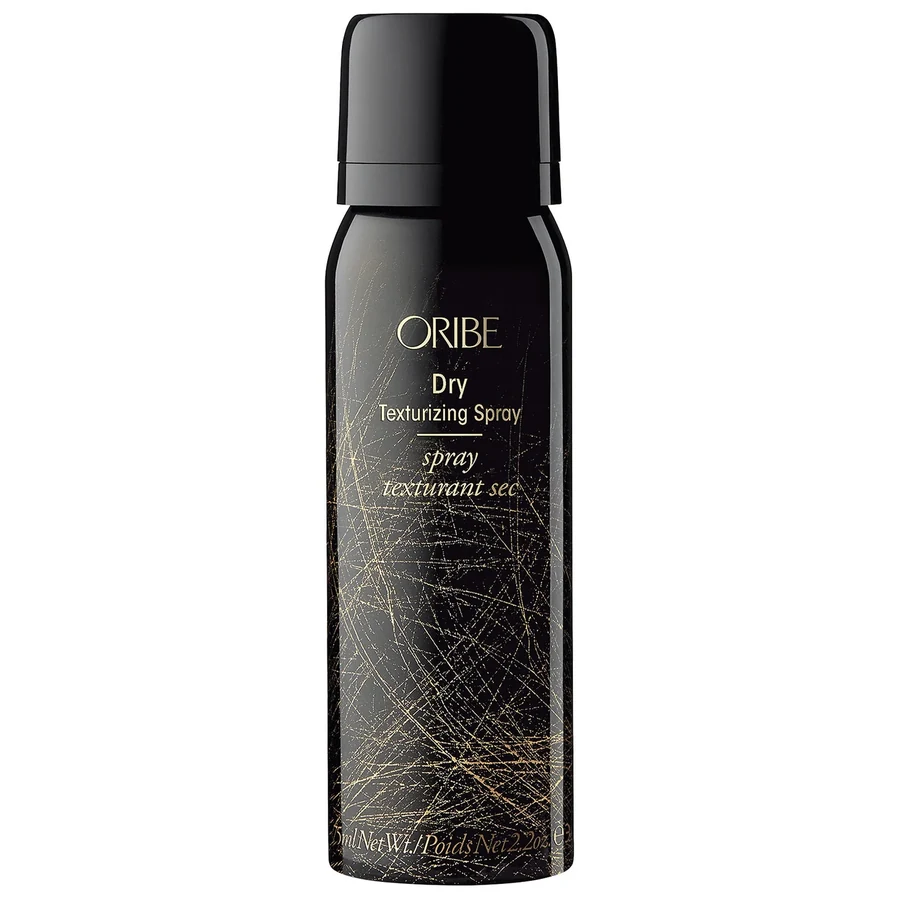 OribeDry Texturizing SprayThe second-day option that is not a powder. Where dry shampoo absorbs, a texture spray gives hold and body to hair that has gone soft and flat with oil -- useful when the roots are fine rather than genuinely greasy, and when another layer of powder would be one too many.Buy on Amazon
Prices live on Amazon, where they change hourly — so we never quote one. Every product here is a brand we would name out loud.
Roots and ends are two different problems on one head
The scalp makes oil, gravity and brushing move it down, and the length is where it runs out. That is the whole geometry of greasy hair, and it explains the thing people find contradictory -- greasy roots and dry ends at the same time. Treat them as two problems: the roots want less added and occasional resetting, and the ends want the conditioner the roots do not.
Wash as often as your scalp wants, and change what you put on
Shampoo and water remove oil, dead skin and product, so washing more often does help with the oil -- daily is right for some scalps and too much for others, and that is a matter for your own head rather than a rule. What frequency alone does not fix is buildup, which an everyday shampoo is not formulated to strip, or conditioner sitting where it should not. Whether over-washing drives glands to produce more is argued over; what is not is that a scalp washed with something harsh is itchier and less comfortable. So change what you put on as well as how often, rather than instead of it.
Buildup is why the same routine stops working
This is the part people miss. Nothing changed about your hair -- the film did. Conditioner, leave-in, styling product and dry shampoo all leave residue, and oil sits on a film rather than spreading through hair, so it reads as grease sooner. If your hair got worse over months on an unchanged routine, buildup is the first suspect and a clarifying wash is the quickest way to test it.
Stop touching it, which is harder than it sounds
Every pass of a hand carries oil down the shaft and leaves a little from your fingers. So does a brush dragged root to tip, and so does hair worn down against the face all day. None of this is a product problem, and it is the change that costs nothing -- worth trying for a week before concluding a shampoo failed.
Questions
- Does washing less train your hair?
- Not in the way the phrase suggests. Scalps do not learn, and the evidence for a lasting drop in oil production from washing less is thin. What genuinely changes is buildup and expectation: the first fortnight looks worse, and people who push through often find the hair itself is fine and it was the film that was the problem.
- Can I use dry shampoo every day?
- You can, and the cost is that the powder becomes the buildup. Treat it as what it is -- something that buys a day -- rather than a substitute for washing, and clarify occasionally so the thing absorbing your oil is not also the thing making hair look dull.
- Should I skip conditioner altogether?
- No, and this is the commonest overcorrection. Skipping it gives you greasy roots and rough ends instead of greasy roots. Put it from the ears down, rinse properly, and if hair still feels coated the problem is the amount or the rinse rather than the product.
- Is greasy hair a scalp health problem?
- Sometimes. Oiliness with persistent flaking, itching or redness is worth a pharmacist or a doctor rather than another shampoo, because that pattern is a different condition and does not answer to any of the above. Oil on its own, with a comfortable scalp, is just how some heads are.
Your turn
What should we dress next?
An occasion you cannot find anything for, or a product you want us to look at properly.