The answer
Why does my hair feel like straw?
Straw is a surface you can feel. A healthy cuticle lies flat, so hair reflects light and slides against itself; a roughened one catches, tangles and looks dull no matter what you put on it. What matters is which of two things roughened it, because the answers are opposite. Hair that is DRY is short of water and oil: it feels rough, but it stretches and springs back, and a rinse-out mask fixes it. Hair that is DAMAGED has had bonds broken inside the fibre by bleach, colour or heat: it feels rough and it also feels different wet -- stretchy, soft, almost gummy -- and no amount of conditioner will fix it because the problem is not on the outside. Test it on a wet strand before buying anything. And if you have already been using bond and protein treatments and your hair got stiffer rather than softer, stop: that is the one case where doing more of the right thing is the cause.
What answers it
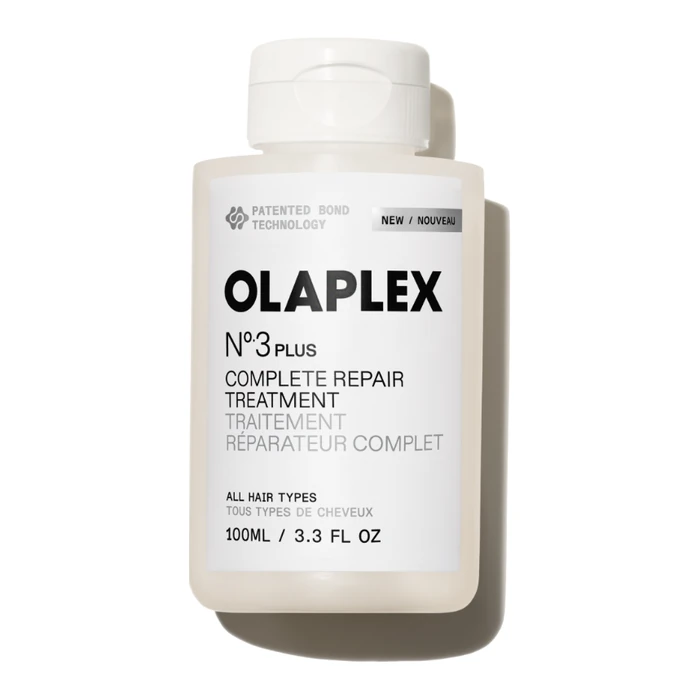 OlaplexN°.3 Hair PerfectorFor the damaged answer. A pre-shampoo treatment that works on the bonds inside the hair rather than the surface, which is why it shows up the week after rather than the night of. 135,550 ratings behind it, the largest volume in this section.Buy on Amazon
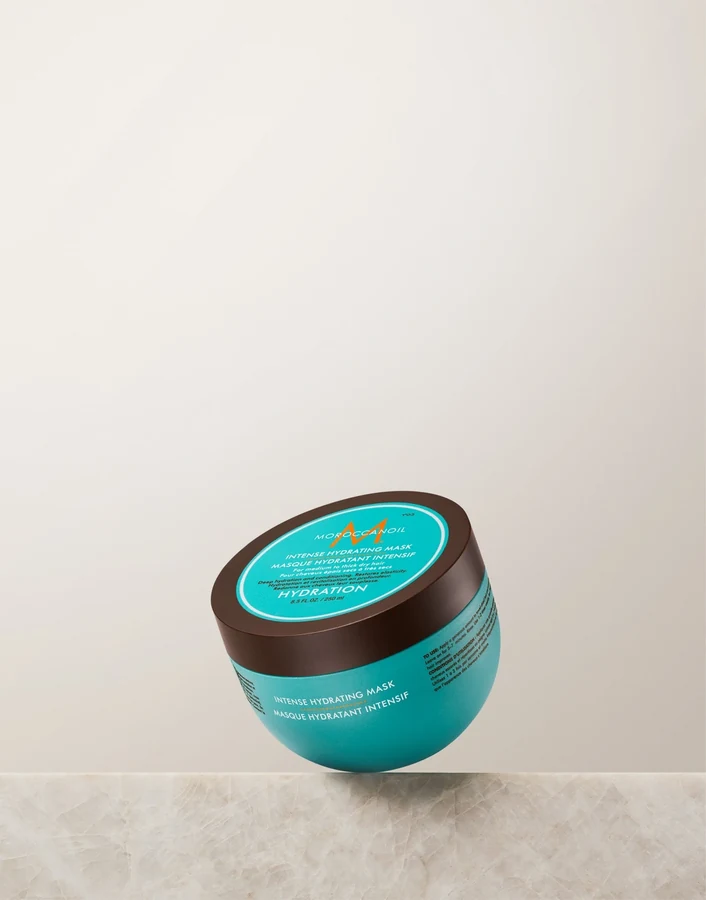 MoroccanoilIntense hydrating maskFor the dry answer, and the catalogue is explicit that this is the distinction: a five-minute rinse-out mask for hair that is dry rather than damaged. If your wet strand stretched and sprang back, this is the one.Buy on Amazon
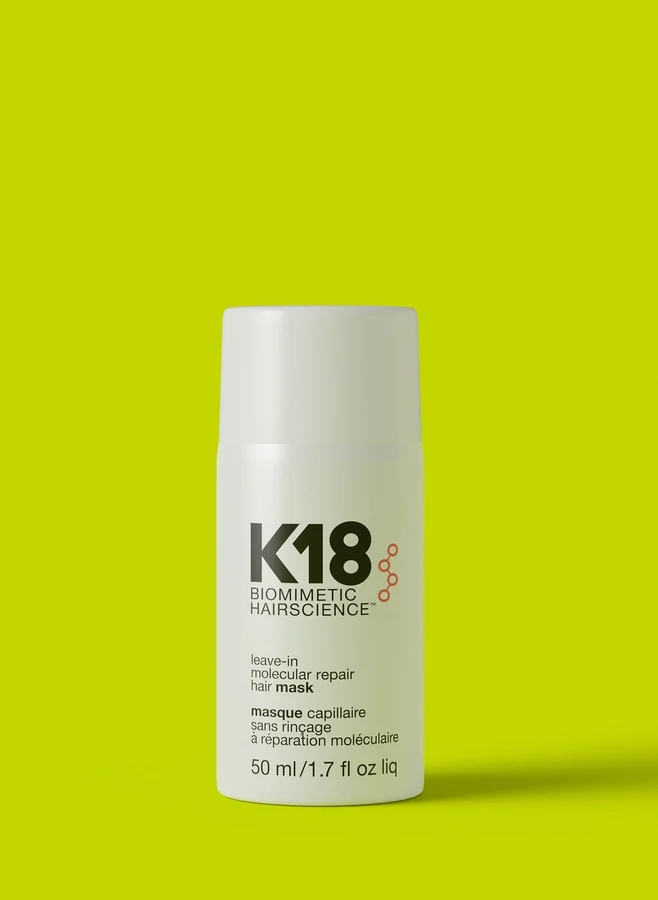 K18Leave-in molecular repair hair maskThe leave-in version, and the directions are specific enough to matter: shampoo and do NOT condition, towel-dry thoroughly, apply, wait four minutes, do not rinse. The maker names skipping the no-conditioner step as the commonest mistake -- conditioner leaves a barrier the peptide cannot get through. Four to six washes after a dye job or chemical treatment, then as needed.Buy on Amazon
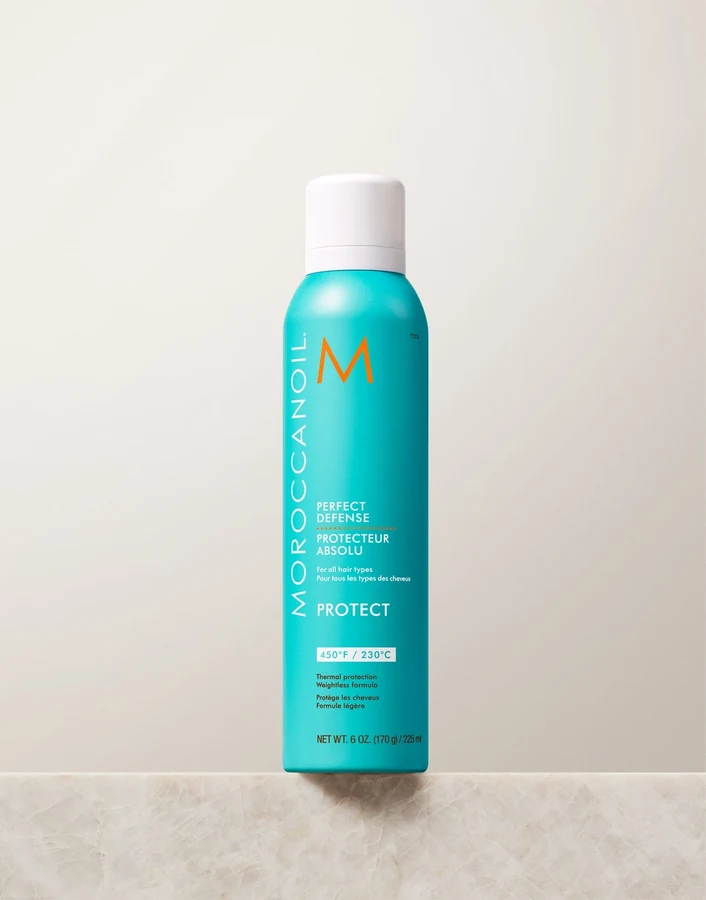 MoroccanoilPerfect Defense heat protectantThe step everyone skips, and the only one on this page that stops the problem coming back. A dry mist rather than a cream, so it goes on before the dryer without leaving hair coated.Buy on Amazon
Prices live on Amazon, where they change hourly — so we never quote one. Every product here is a brand we would name out loud.
The wet test, which costs nothing and settles it
Take one strand of wet hair and pull it gently. Healthy hair stretches a little and springs back. Dry hair feels rough but behaves much the same. Damaged hair stretches a long way, feels soft and slack while it is wet, and either stays stretched or snaps. That last one is the answer to why hair can feel worse wet than dry, which is the version of this question people find most confusing -- it is not the water, it is what the water reveals.
Dry and damaged are not the same word
Dry means short of moisture and oil, and it is common in coarse or curly hair, in winter, and after a season of sun. It responds to a conditioning mask within one wash. Damaged means the structure inside the fibre has been broken -- bleach and permanent colour do it chemically, heat does it thermally -- and it does not respond to conditioner, because conditioner sits on the outside. Both feel like straw in the hand, which is why so many people buy the wrong one twice.
More protein is not more repair
Bond and protein treatments work, and they are also the commonest way to make this worse. Hair that has had a lot of them can feel stiffer, rougher and more brittle rather than softer -- the fibre stops being flexible. The tell is that your hair felt better after the first few treatments and worse after the tenth. The fix is to stop for a few weeks and use a plain moisturising mask, which is the opposite of what the problem seems to be asking for.
Heat is the cause you can actually control
Colour is a one-off decision; heat is a daily one. A dryer on high with no protectant does measurable damage every time, and it is cumulative rather than dramatic -- which is why hair that was fine in spring feels like straw by autumn with nothing obvious having happened. Heat protection is unglamorous and it is the only thing on this page that prevents rather than repairs.
Hard water, which this shelf cannot sell you a fix for
Mineral-heavy water leaves deposits on the cuticle that build up over months and feel exactly like damage. If your hair changed after moving house, this is the likeliest reason. The fix is a chelating or clarifying shampoo, which this site does not stock -- said plainly rather than pointing you at something else that will not work.
Questions
- Will cutting it fix it?
- It removes the part that is already damaged, and nothing regrows damaged hair -- so for split, straw-feeling ends, yes, and it is the fastest answer there is. Treatments make damaged hair behave better; they do not turn it back into undamaged hair.
- How often should I use a mask?
- Read the directions for the one you bought, because they are not the same product. A rinse-out moisturising mask suits about once a week, and more is where the stiffness described above starts. The K18 leave-in runs a course instead -- every wash for four to six washes after colour or a chemical service, then as needed -- so weekly is not the right rhythm for it either way.
- Does washing less help?
- Usually, and for a simple reason: every wash is also a dry and often a heat session. Washing twice a week rather than daily removes half the heat exposure without changing anything you own.
Your turn
What should we dress next?
An occasion you cannot find anything for, or a product you want us to look at properly.