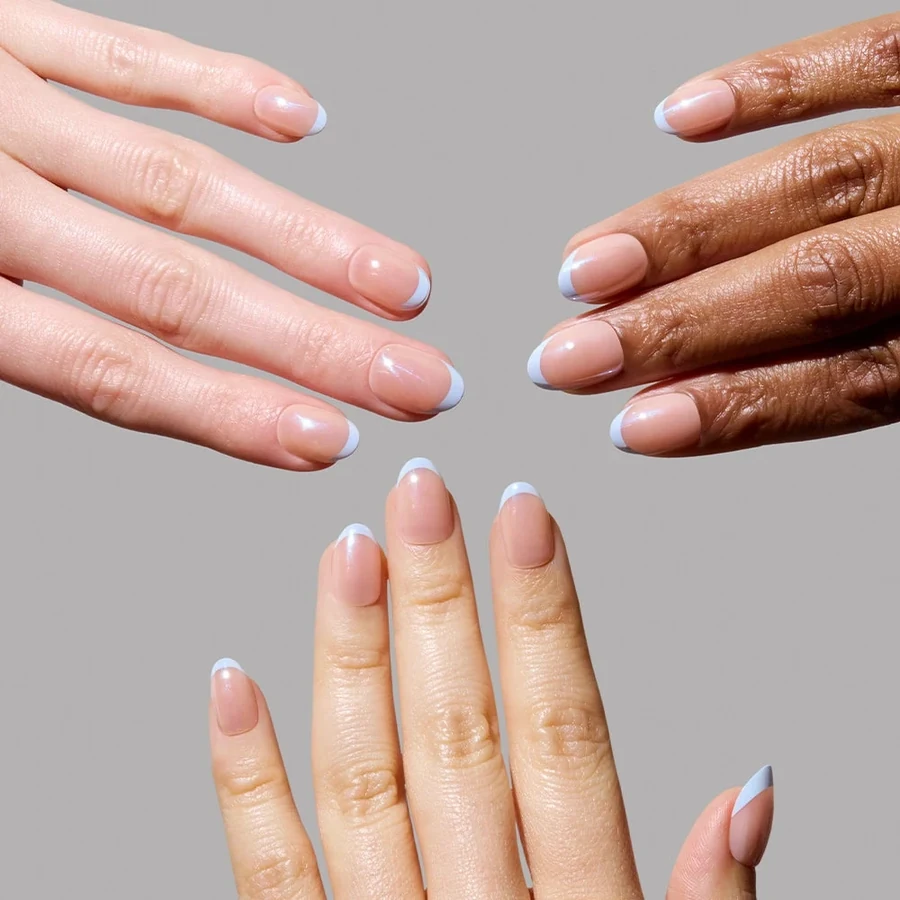
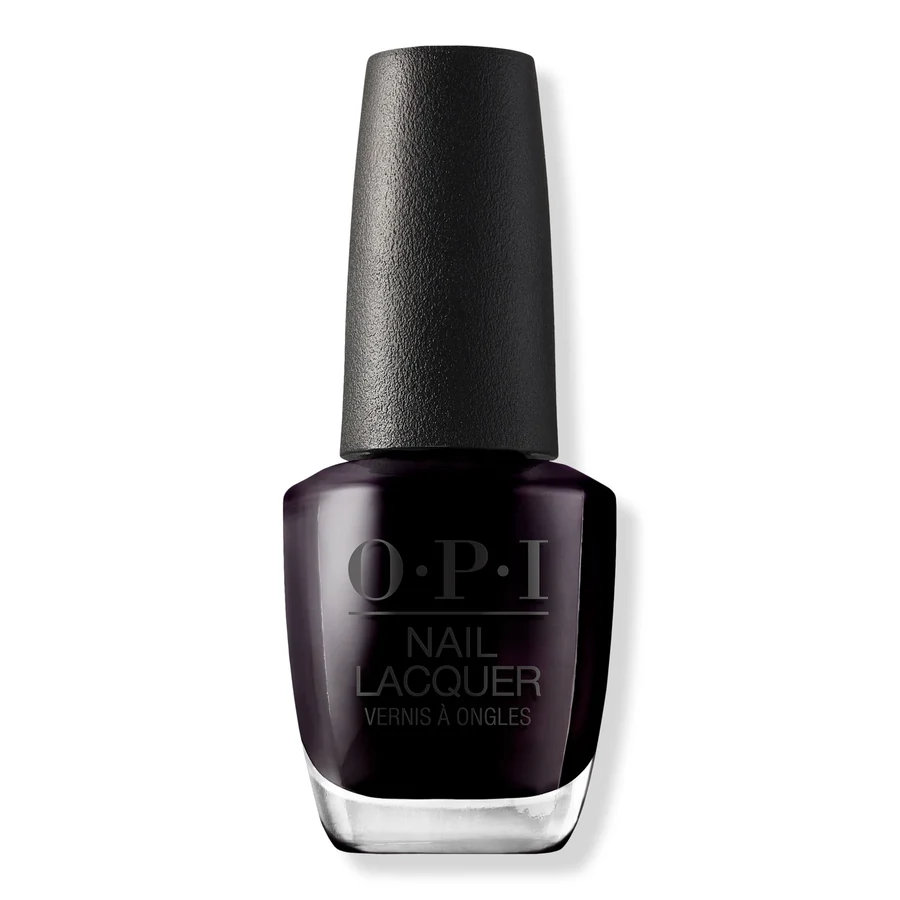
Press-ons if you want it done and done tonight, or if you want length and a shape your own nails do not have. Polish if you want your own nails, a colour you can change on a whim, and no adhesive on the plate. The honest difference is failure mode: a press-on either stays on or comes off entirely, usually one at a time and at an inconvenient moment. Polish does not leave — it chips, and looks worn rather than absent.
The removal is where nails get damaged, not the wear
Most of the damage people blame on either of these happens as it comes off, not while it is worn. A press-on that is levered off takes layers of the plate with it, and it does not have to — remover under the edge, and time, and it releases. The same is true of picking at polish, which removes more than the polish. Whichever you choose, the damage people attribute to the product is nearly always attributable to the ten impatient seconds at the end of it.
Sizing decides more than the glue does
A press-on lifts at the edge that does not sit flush, so a set is fitted finger by finger before any adhesive is opened — and where a nail falls between two sizes, the smaller one, set slightly back from the cuticle, holds better than the larger one overhanging the sides. Most of what gets blamed on glue is a fit that was close enough to look right dry.