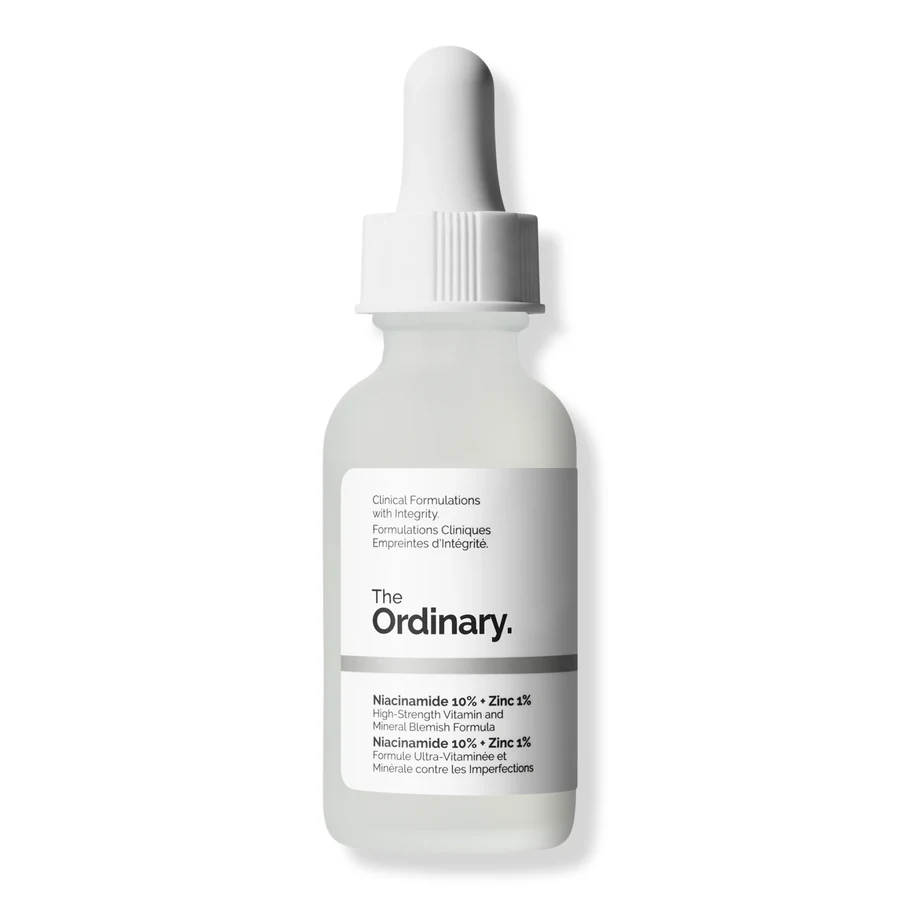
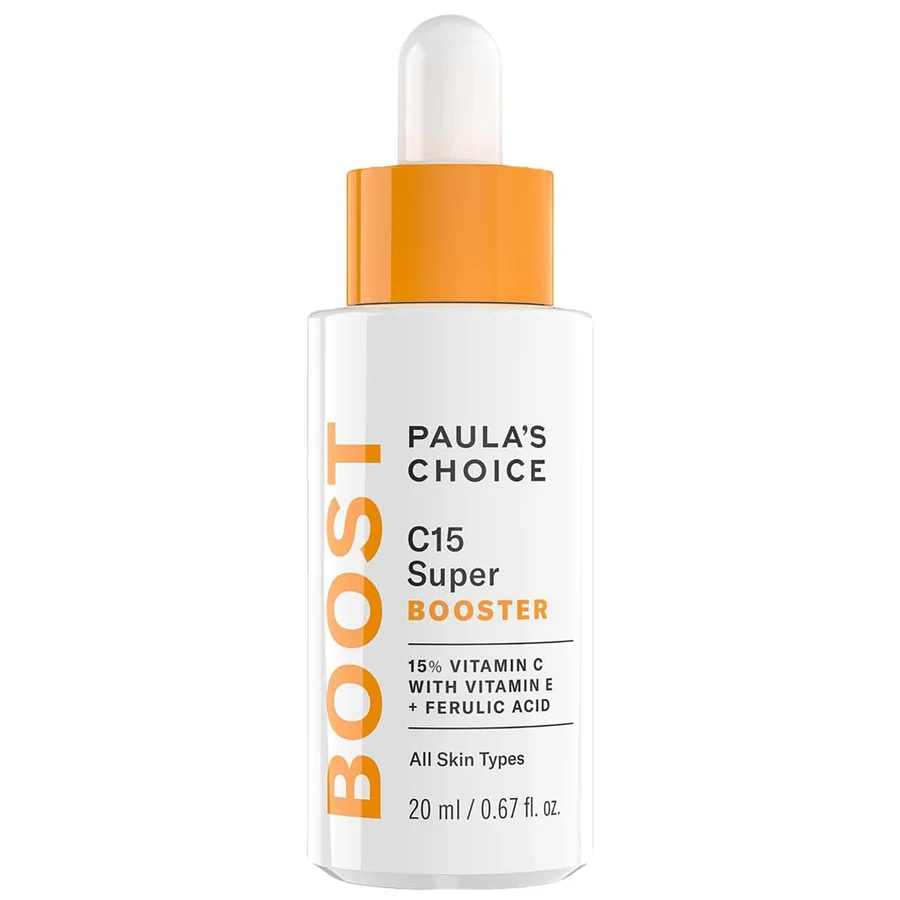
They are not alternatives, and choosing between them is usually the wrong question -- what they treat is different enough that the complaint decides it. Niacinamide works on how skin behaves: oil, visible pores, redness, the congested rather than spotty look. Vitamin C works on what colour it is -- the dark marks left behind after spots or sun, and dullness. Shiny and textured, start with the niacinamide. Even in texture and uneven in colour, start with the vitamin C. The one practical difference that decides a purchase rather than a routine is stability: the vitamin C is sold in a small bottle because it has a working life measured in months once opened, while the niacinamide does not. Niacinamide sits on a shelf for a year and does not care.
These two, specifically, are not to be layered -- and the makers do not agree on the rest
The general argument about niacinamide and vitamin C is old and contested, and it is beside the point here, because both of these bottles come with instructions. The Ordinary says plainly that it does not recommend pairing Niacinamide 10% + Zinc 1% with direct or indirect vitamin C, and that combining them may reduce effectiveness -- and the C15 is pure L-ascorbic acid, which is exactly direct vitamin C. So on this pair, separate routines. Where the two houses part company is WHICH goes when: The Ordinary suggests its niacinamide in the morning and vitamin C at night, while Paula's Choice sells the C15 as the morning step. Follow the bottle you own, and do not put them on together.
What neither of them is
Neither is a sunscreen, and vitamin C is often sold as though it were -- an antioxidant reduces some of the damage that gets through, which is not the same as stopping it. Neither is a retinol either. If the complaint is lines rather than colour or behaviour, this is the wrong pair to be choosing between.