The answer
Why is my skin peeling?
Dry skin is short of oil and feels tight. Peeling skin is shedding in visible sheets or flakes, and that means the barrier holding those cells together has been broken -- by acids, by a retinoid, by sunburn, or by a new product that did not suit. The instinct is to exfoliate the flakes off and pile product on top, and the first half of that reliably makes it worse: scrubbing removes more of what is already thin. The second half depends on what the product is -- a plain occlusive is one of the better things you can put on a broken barrier, and the same texture carrying acids, retinol or fragrance is one of the worst. What actually works is subtraction for a fortnight -- every active out, one gentle cleanser, one repair cream, sunscreen -- and letting skin rebuild what it lost.
What answers it
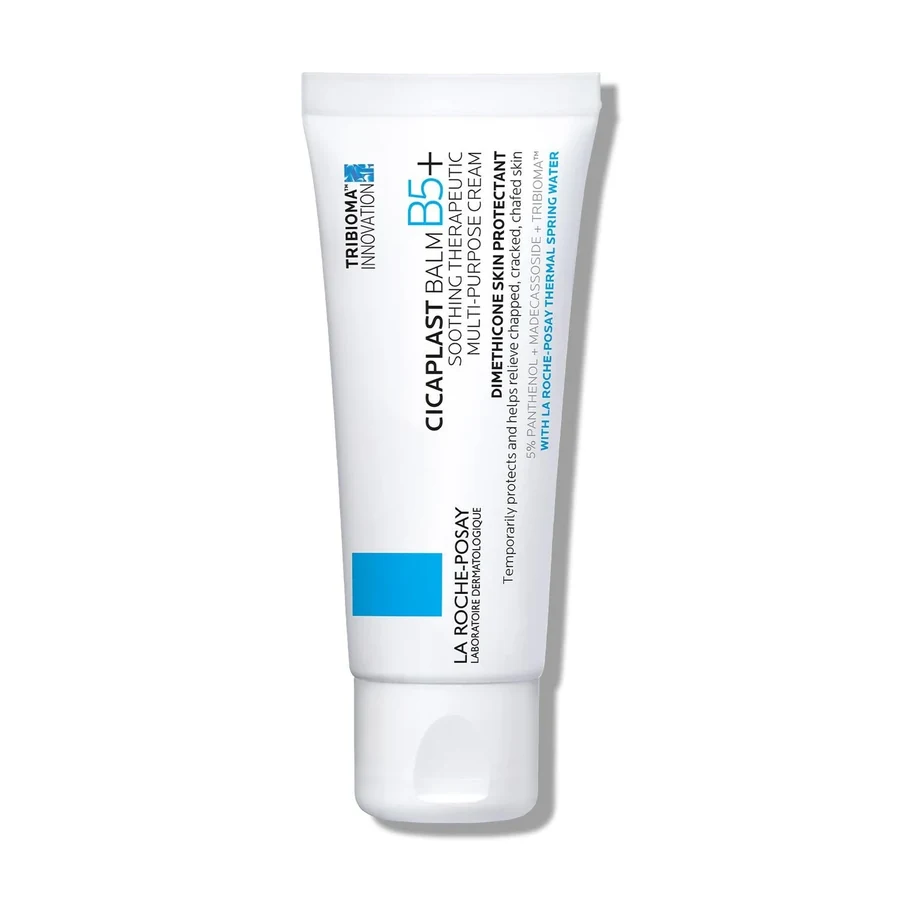 La Roche-PosayCicaplast Balm B5 barrier repair creamThe repair step, and the one to start with. Thick, plain and made for skin that has been broken rather than skin that is dry -- use it on the peeling areas only, and stop when they have closed.Buy on Amazon
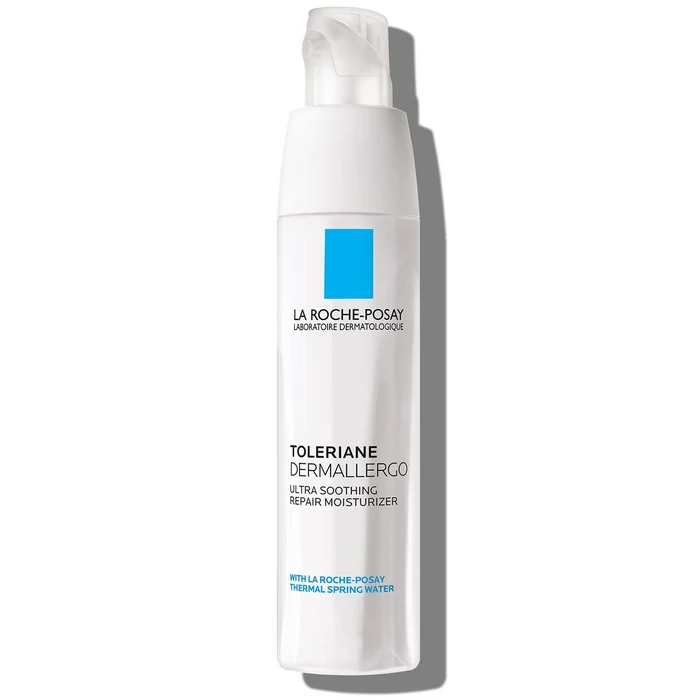 La Roche-PosayToleriane Dermallergo repair moisturiserFor the case where a product caused it. No fragrance, no preservative and a sealed pump, so it is the cream to use while you work out which one it was.Buy on Amazon
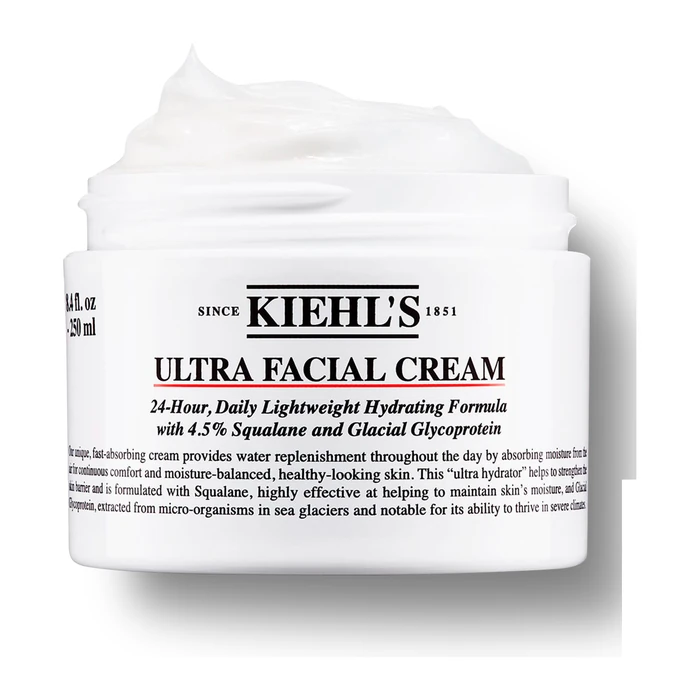 Kiehl'sUltra Facial CreamThe everyday one to come back to once the peeling has stopped -- rich enough to hold a repaired barrier, without the actives that took it apart.Buy on Amazon
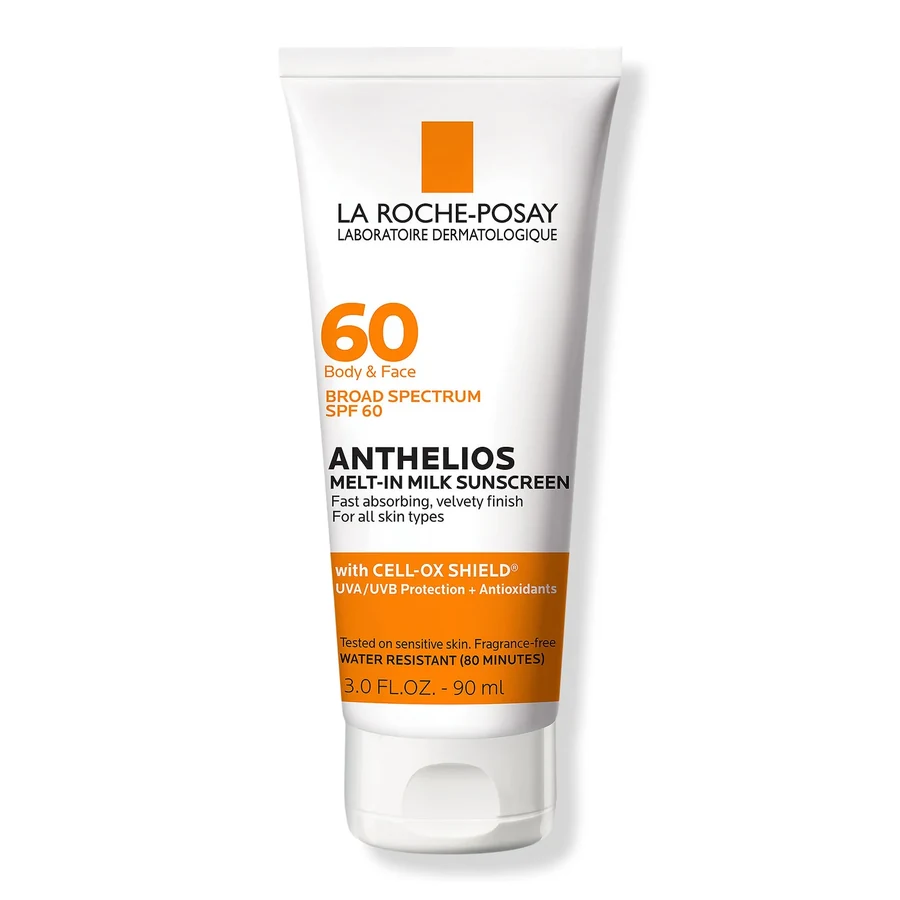 La Roche-PosayAnthelios Melt-In Milk SPF 60New skin under a peel is the most sun-sensitive skin you will have all year, and pigment after a peel is far harder to fade than the peel is to heal.Buy on Amazon
Prices live on Amazon, where they change hourly — so we never quote one. Every product here is a brand we would name out loud.
Do not pull it, and do not scrub it
A flake that is still attached is still doing its job. Pulling it takes living skin with it and leaves a raw patch that peels again in three days, which is how a week's problem becomes a month's. If it catches on makeup, a plain balm over the top flattens it enough to get through the day -- that is cosmetic rather than treatment, and it is the right use of it.
Retinoid peeling is a different thing
If it started within a few weeks of beginning a retinoid, this is retinisation and it settles. The way through is less often, not less strong: two nights a week, on dry skin, moisturiser first, and build up over a couple of months. Stopping entirely and restarting at full frequency is the loop most people get stuck in, and it repeats the peeling every time.
Count what you are actually using
Acids appear in cleansers, toners, serums, masks and pads, so a routine that looks like one exfoliant is often three. This is the commonest cause of peeling on a face that has never had it before -- not one aggressive product, but four mild ones stacked. Write the list down; the answer is usually visible in it.
The fortnight, and what it proves
Gentle cleanser, repair cream, sunscreen, nothing else, for two weeks. If it settles, the routine caused it and you reintroduce one product at a time. If it does not, look again at what is left -- a cleanser, a sunscreen or a contact allergy to something worn daily can all outlast the products you thought to remove. And if a fortnight of genuinely plain routine changes nothing, that is a dermatologist's question rather than a shopping one: fungal rash, eczema and seborrhoeic dermatitis all flake, and none of them answer to moisturiser.
Questions
- Should I exfoliate to remove the flakes?
- No, and this is the single most common way people extend it. Exfoliating treats the symptom of a broken barrier by removing more barrier. The flakes go in a day and come back worse, because nothing was repaired underneath.
- Is peeling the same as dry skin?
- No, and the difference decides the fix. Dry skin is short of oil: it feels tight, looks dull, and answers to a richer moisturiser. Peeling is structural damage to the barrier: it sheds visibly, often stings, and answers to taking things away. Treating peeling as dryness -- more product, richer product -- is why it drags on.
- How long until it stops?
- A barrier repairs over roughly two to four weeks if you leave it alone, faster on a young face and slower in winter. What extends it is restarting actives at the first day of improvement, which is the point at which the surface looks better and the barrier underneath is still halfway.
- Can I wear makeup over it?
- Yes, and how you take it off matters more than what you put on. A balm cleanser removed with a soft cloth beats any wipe, and a wipe on peeling skin is a scrub with a nicer name. Skip powder on the flaking area -- it settles into the edges and makes them visible from further away.
Your turn
What should we dress next?
An occasion you cannot find anything for, or a product you want us to look at properly.