The answer
Why does my foundation look orange?
If it looked right when you put it on and wrong by the afternoon, that is oxidation: the pigments in most liquid foundations are iron oxides, and they warm as they sit in skin oil and air. Nothing is wrong with the product and nothing is wrong with you -- it is a property of the formula, it is worse on oily skin, and the only reliable test is to wear a sample for a full day rather than judging it in the first ten minutes. If it looked orange from the moment it went on, that is undertone rather than oxidation, and it is almost never about being too dark. A foundation built on a golden or yellow base reads orange on skin that is neutral or pink, at exactly the right depth. Depth is how light or dark; undertone is which way it leans. Shops sell on depth and skin fails on undertone.
What answers it
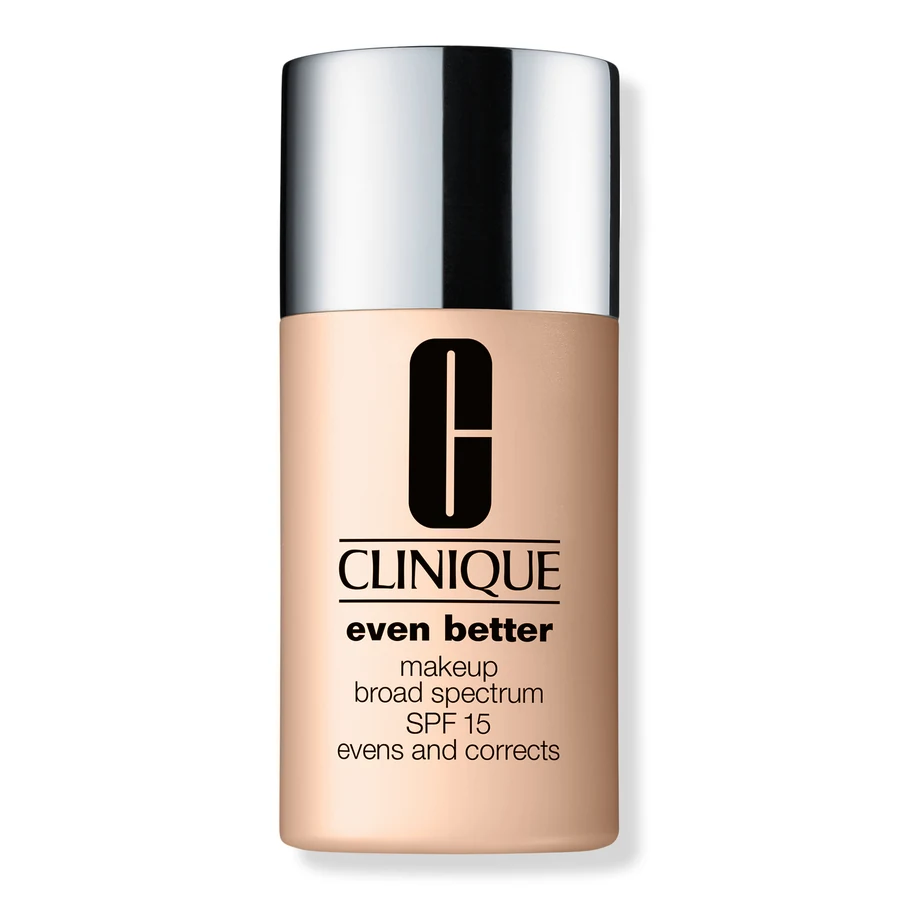 CliniqueEven Better Makeup SPF 15 foundationModerate coverage rather than full, which matters here for a plain reason: the less pigment on the face, the less there is to warm up. A foundation that is also doing something to the skin under it rather than only sitting on top.Buy on Amazon
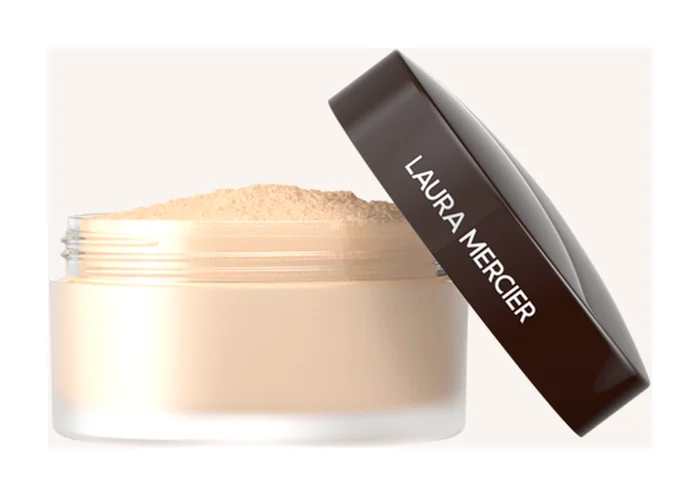 Laura MercierTranslucent loose setting powderTranslucent, which is the whole point of putting it on this page. A tinted powder adds its own colour to a base that has already shifted; a translucent one sets without voting on the shade.Buy on Amazon
Prices live on Amazon, where they change hourly — so we never quote one. Every product here is a brand we would name out loud.
Oxidation is a clock, not a mistake
Iron oxides are what most liquid foundation is coloured with, and they warm on contact with skin oil and air. That is why the shade you matched on a clean jaw at eleven is a shade warmer at three, and why it happens more on oily skin and in heat. It is not a defect and it is not universal -- formulas differ a great deal -- but it is the reason a foundation can be right in the shop and wrong by dinner. Test a sample across a whole day before buying the bottle.
Undertone is a different axis from depth
Depth is how light or dark a shade is; undertone is whether it leans warm, neutral or cool. Get the depth right and the undertone wrong and the result reads orange, or grey, or simply like makeup. Most ranges label undertone somewhere -- W, N and C, or golden, neutral and rosy -- and it is the letter rather than the number that decides whether a shade disappears.
Test on the jaw, in daylight, and wait
The inside of the wrist is a different colour from the face and the hand is different again, so a swatch there proves nothing. Draw a stripe along the jaw, go outside, and look. The right shade is the one you cannot find. Shop lighting is warm and even, which flatters every shade and is why so many bottles are bought that never get used.
Grey rather than orange is usually the other direction
A base that reads ashy or grey is generally too cool for the skin under it, and on deeper skin that is the commonest mismatch of all -- ranges tend to be built pink at the light end and grey at the deep end. Flash photography adds a separate problem: some mineral sunscreens bounce light back and produce a pale cast that is invisible in the room and obvious in the picture.
Nothing on this shelf corrects a base that has already turned
Said plainly, because the honest answer to this question is mostly not a purchase. There is no colour corrector here and no shade-adjusting drop, and a concealer will not do that job either -- a concealer has an undertone of its own, and a lighter one under the eye against a warm base is one of the ways a face reads orange in a photograph rather than a cure for it. The two products below earn their place narrowly: a moderate-coverage foundation puts less pigment on the face to warm up, and a translucent powder sets without voting on a shade. The fix for an orange base is the shade you buy next.
The neck is the tell, not the face
A face and a neck are rarely the same colour, and the honest answer is to match the neck rather than the face -- the jawline is where a mismatch shows and the neck is what the world sees beside it. If the two are far apart, going a shade lighter and letting the skin do the rest reads better than trying to bring the neck up to meet the face.
Questions
- Can I fix an orange foundation I already own?
- A little, and not reliably. Mixing in a drop of a cooler or lighter base of the same finish evens it out; colour-correcting drops do the same job more precisely. What does not work is powdering over it, because a warm base under a translucent powder is still warm.
- Does foundation oxidise on everyone?
- No, and it is not a fixed property of the person either. It depends on the formula, on how much oil the skin produces and on the day. Somebody with dry skin may never see it in a formula that turns visibly on somebody else.
- Should I go a shade lighter to be safe?
- Not as a rule. A shade too light reads grey or chalky rather than natural, and it is the more obvious error in daylight. Match the neck, and if the formula is one that warms, account for that rather than starting pale.
Your turn
What should we dress next?
An occasion you cannot find anything for, or a product you want us to look at properly.