The answer
How do I stop my makeup looking cakey?
Cakey is texture made visible. Foundation is a thin film, and a film settles into whatever it is laid over: a dry patch, a flake, the edge of a pore. It does not create those things, it reveals them, which is why changing foundation so rarely fixes it. The order that does work is hydrate, wait, use less, and powder only where you shine. Skin that is properly hydrated gives foundation a smooth surface to sit on, and a base that has been given two or three minutes to settle takes powder without grabbing at it. Powder over a base that is still wet is the other half of the problem -- it lifts and clumps rather than setting, and it is the version of cakey that appears within the first hour rather than by the afternoon.
What answers it
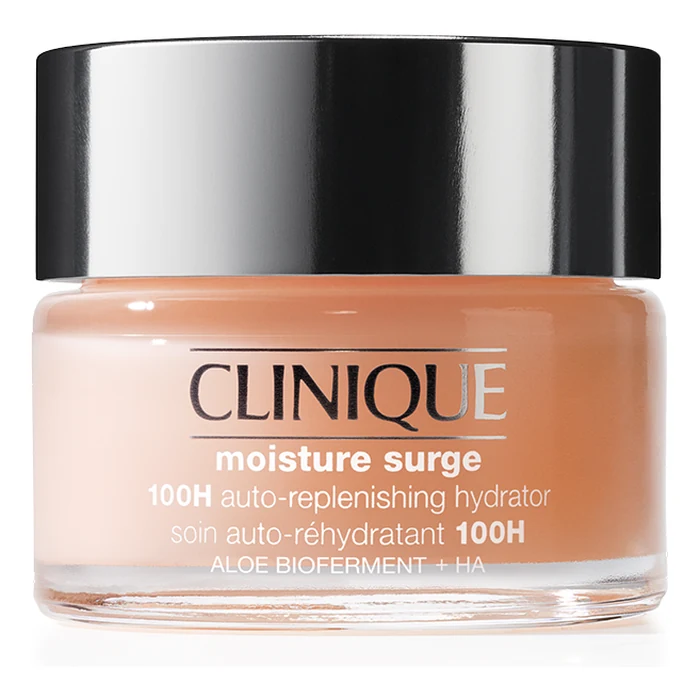 CliniqueMoisture Surge 100H hydratorThe step that fixes this rather than covers it, and it is not the foundation. A gel-cream that sinks in fast enough to put makeup over -- which matters, because the usual failure is putting base onto moisturiser that has not gone anywhere yet.Buy on Amazon
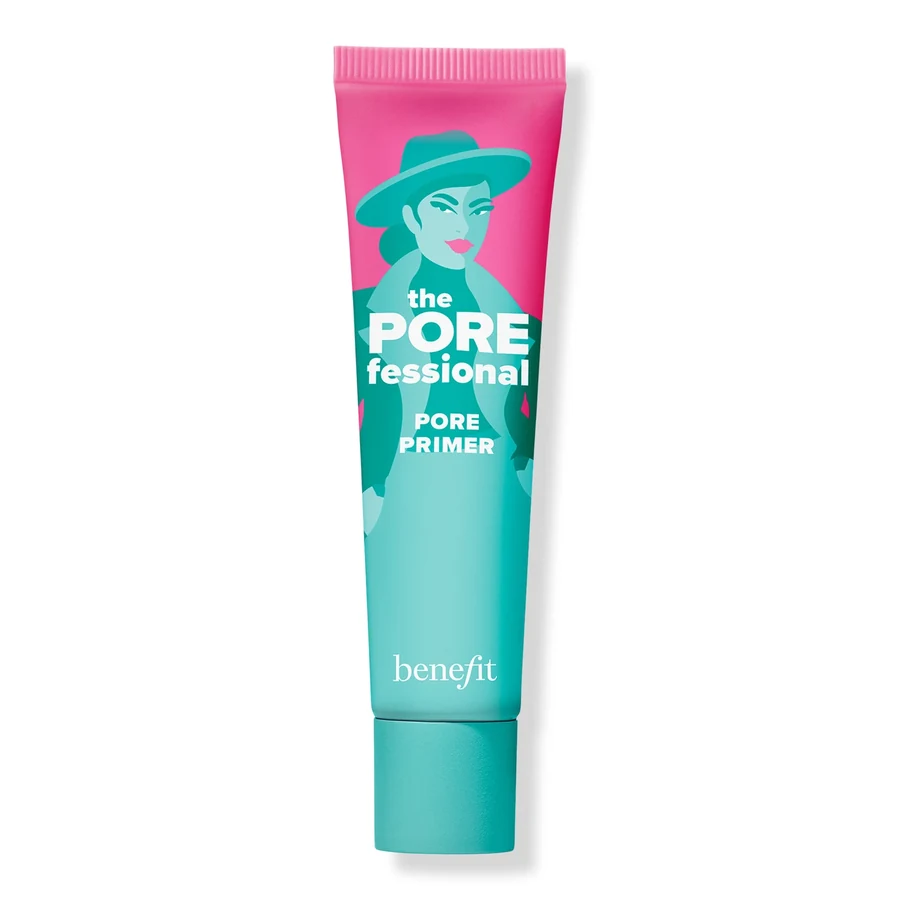 BenefitThe POREfessional face primerFor texture in one place rather than all over. It fills the surface around the nose and chin so foundation spans it instead of sinking into it -- and a primer is not a step everybody needs, which is worth saying on a page about using less.Buy on Amazon
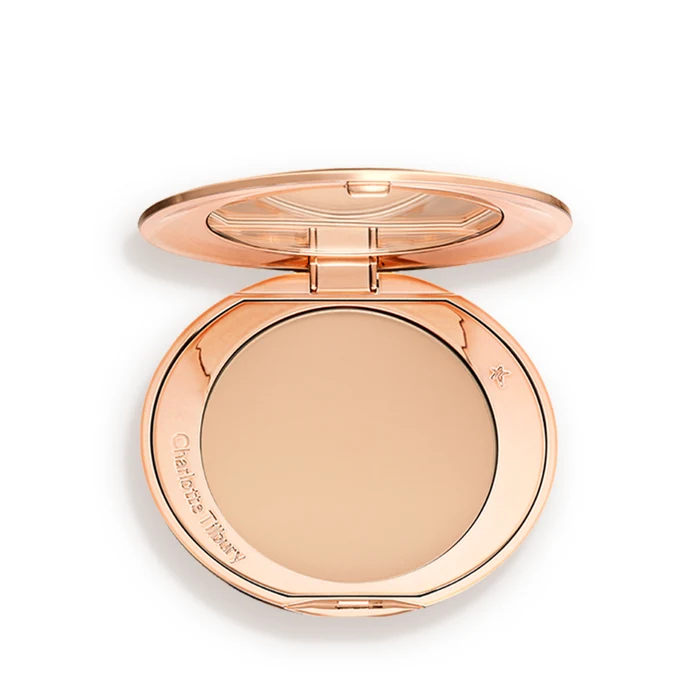 Charlotte TilburyAirbrush Flawless Finish setting powderPressed rather than loose, so it goes exactly where you put it. On this question that is the whole point: powder belongs on the parts that shine, and a pressed powder is much harder to over-apply than a loose one.Buy on Amazon
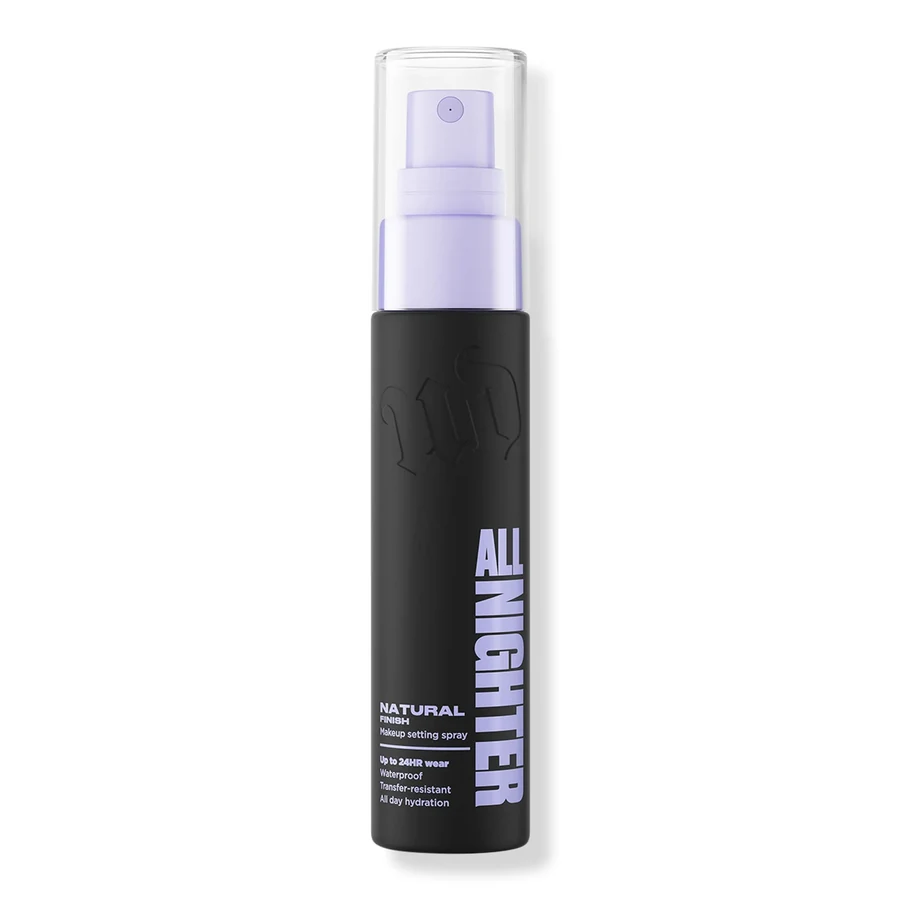 Urban DecayAll Nighter setting sprayThe last step, and the one that melts the powder edges back into the base so the layers read as one surface rather than three. It is also what stops the afternoon version of cakey, where powder and oil have had six hours to combine.Buy on Amazon
Prices live on Amazon, where they change hourly — so we never quote one. Every product here is a brand we would name out loud.
Foundation reveals texture, it does not make it
A flake, a dry patch or an open pore is a change in the surface, and any film laid over it follows that change and catches the light differently there. That is what you are seeing. It is the reason a fuller-coverage foundation usually looks worse rather than better on a dry patch -- more film means more of it collecting in the same place.
Hydration is the fix, and it is not the same as oil
Dehydrated skin feels tight and looks flat, and it happens on oily faces as often as dry ones -- which is why so many people with oily skin have this problem and assume they cannot be short of water. Something with humectants in it, applied and then given a couple of minutes, changes what the base sits on. Rich oil on top of dehydrated skin does not: it makes the film slide rather than smoothing what is underneath.
Wait between steps -- it is the free half of this
Every layer needs to stop being wet before the next one goes on. Foundation over unsettled moisturiser slides and separates. Powder over unsettled foundation lifts it into clumps. Two or three minutes between steps costs nothing and does more for how a face looks at nine o'clock than any single product on this page.
Less product, in fewer places
Most faces need foundation in the middle -- around the nose, under the eyes, wherever the colour is uneven -- and almost none at the edges. Building coverage where you need it and leaving the rest is what makes skin look like skin. The same goes for powder: the T-zone shines and the cheeks usually do not, so powdering the whole face sets the parts that never needed it.
Exfoliation is the slow fix, and it is the real one
If flaking keeps coming back, the answer is not in the makeup bag. A chemical exfoliant clears the loose surface cells that catch foundation, and it is the fix for the flaking specifically. It does not replace the rest of this page: unsettled layers, too much product and too much powder all produce the same look on skin that is not flaking at all. This works on a timescale of weeks rather than evenings, which is why it belongs at the bottom of a page like this and at the top of a routine.
Questions
- Should I use a primer?
- Only if you have texture for it to fill. A primer is a corrective step rather than a default one, and on smooth, well-hydrated skin it adds a layer without doing a job -- which is itself a cause of cakey. Where it earns its place is around the nose and chin.
- Is loose or pressed powder better here?
- Pressed, for most people asking this question, because the failure mode is too much powder rather than too little and a pressed powder is much harder to over-apply. Loose powder sets more firmly and is better for a long evening, provided it goes on with a brush and only where the shine is.
- Does setting spray actually do anything?
- For this problem, yes, and it is the most visible single step: it dampens the powder just enough to sink it into the base, so three layers read as one surface. It does not fix a base that was applied over dry skin, which is the part it gets blamed for.
Your turn
What should we dress next?
An occasion you cannot find anything for, or a product you want us to look at properly.