LiminellaWhere are you going?Deutsch

Compared

Salicylic acid vs glycolic acid

The difference that decides it is chemical rather than a matter of strength. Salicylic is a BHA and oil-soluble; glycolic is an AHA and water-soluble. That is why the two are sold for different complaints — salicylic ranges are marketed at blocked pores, blackheads and skin that breaks out, glycolic ranges at dullness, rough texture and flaking — and why buying on the higher number gets people the wrong bottle. Match the acid to the complaint on the label, not to the percentage. Both are acids and both can irritate: the maker's directions and a patch test decide how you use it, not this page.

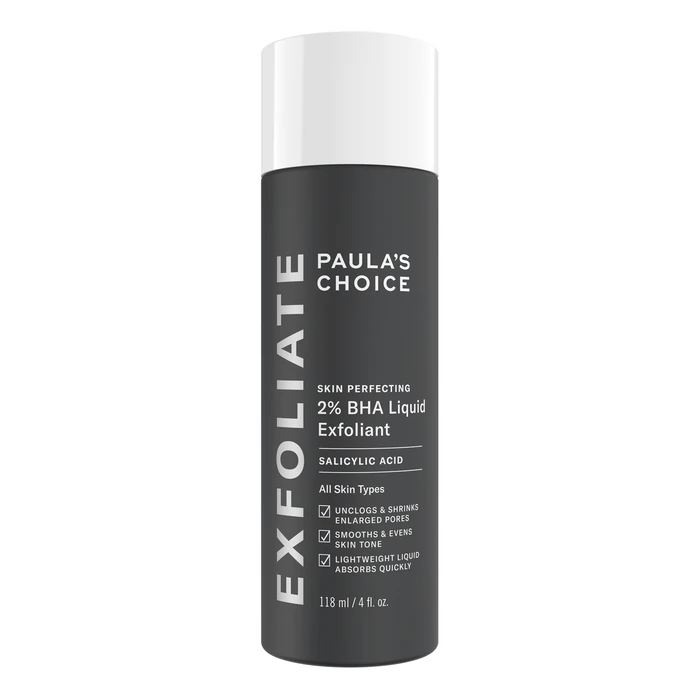
Paula's Choice Skin Perfecting 2% BHA liquid exfoliant

Paula's Choice

Skin Perfecting 2% BHA liquid exfoliant

Blocked pores, blackheads, and the congestion that makes foundation cling

Pros

  • Oil-soluble, which is the property the whole BHA category is built on
  • The acid this house has sold longest, and the one its range is organised around
  • Sold as a liquid for a cotton pad, so it goes on as its own step rather than under one

Cons

  • Marketed at congestion rather than at dullness, so it is the wrong shelf for that
  • Comes with a frequency instruction that is easy to exceed
Buy on Amazon
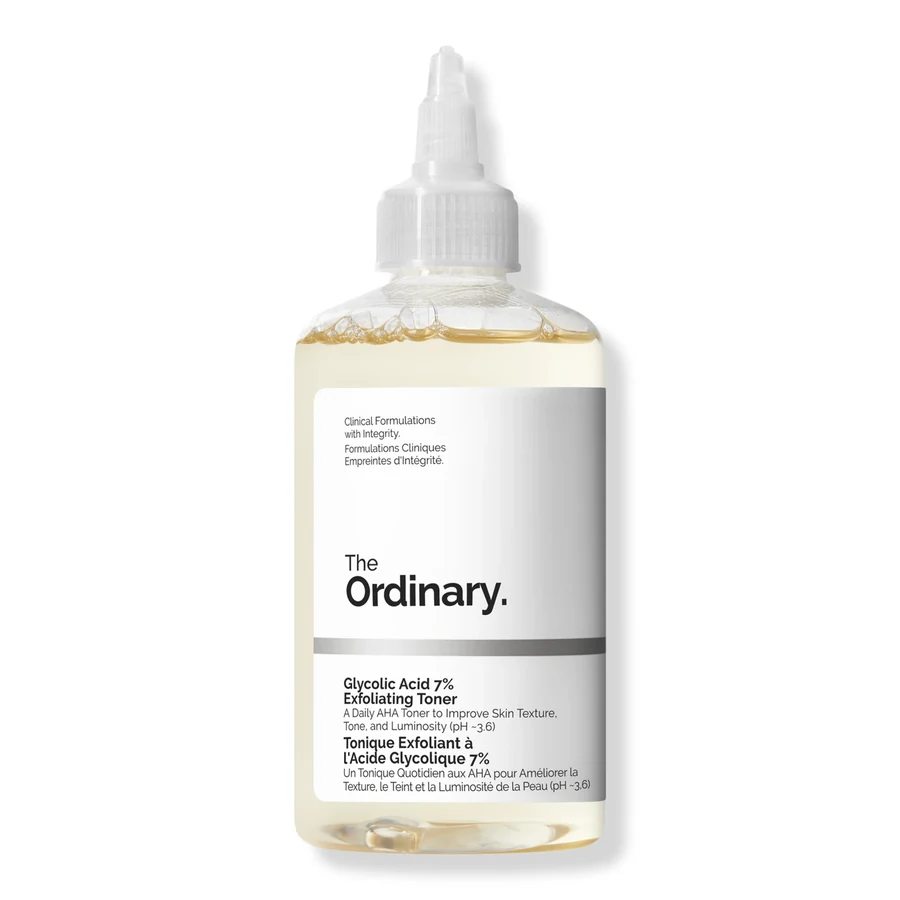
The Ordinary Glycolic Acid 7% exfoliating toner

The Ordinary

Glycolic Acid 7% exfoliating toner

Dullness, rough texture, and skin that looks flat rather than congested

Pros

  • Water-soluble, the property that separates an AHA from a BHA
  • Sold for texture and dullness, which is the complaint most people mean by 'dull'
  • A toner format, so it goes on a cotton pad in the step where it belongs

Cons

  • Not marketed at blackheads, which is what most people buy an acid for
  • AHAs carry a sun-sensitivity warning on the carton — read it before choosing the step
Buy on Amazon

Side by side

 Paula's ChoiceThe Ordinary
Soluble inOil.Water.
CategoryBHA.AHA.
Sold forCongestion.Texture and dullness.
BlackheadsThe marketed use.Not the marketed use.
DullnessNot the marketed use.The marketed use.
Sun warning on the cartonNot usually.Yes — follow it.
The tell you want this onePores look full and foundation catches on them.Skin looks flat and make-up sits on flakes.

Everything above is about what these products are, not about tests we ran — we do not test products, and we would rather say so than imply otherwise. Prices live on Amazon, where they change hourly, so we never quote one.

Not at the same time, and not every day

The instinct on owning both is to use both, and both cartons tell you not to. Pick the one whose label names your complaint and build up from the frequency printed on it rather than starting where you hope to end. If the skin objects, that is the instruction to follow. Nobody here can prescribe a schedule for your face; the maker's directions can, and a dermatologist can better.

The percentages are not comparable

A 2% salicylic and a 7% glycolic are not two and seven of the same thing. They are different molecules doing different jobs, and the numbers do not translate between them. Within one acid the percentage matters; across two it means nothing, which is why the useful question is which acid rather than how much of it.
Your turn

What should we dress next?

An occasion you cannot find anything for, or a product you want us to look at properly.