The answer
My lips are dry and flaky
Lips have no sebaceous glands, which means they lose water faster than any other skin on the face and have nothing of their own to seal it in with. So the answer is an occlusive layer overnight, when nothing is rubbing it off -- a mask or a heavy balm, applied thickly rather than as a thin swipe. Do not exfoliate a lip that is actively cracked; that is a wound rather than a build-up, and scrubbing it starts the cycle again. And check the habit: licking lips feels like relief and is the fastest way to make them worse, because saliva evaporates and takes surface water with it.
What answers it
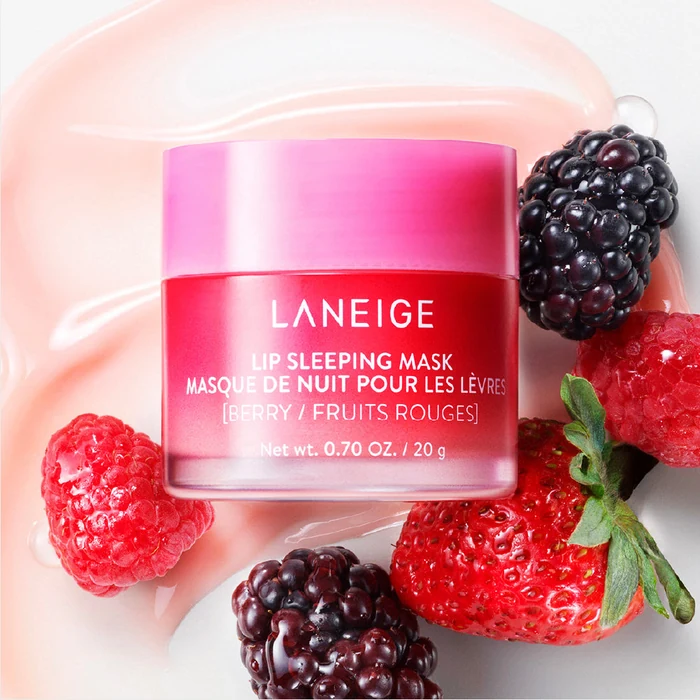 LaneigeLip Sleeping Mask in BerryThe overnight step, and what works is the hours rather than the formula: a thick layer left alone for eight of them does what twenty thin daytime ones cannot.Buy on Amazon
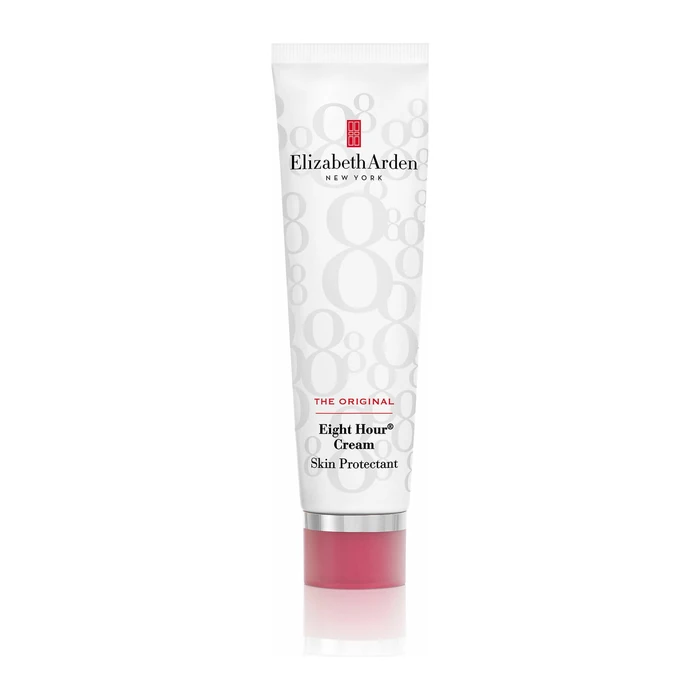 Elizabeth ArdenEight Hour Cream skin protectantFor a lip that has already cracked rather than one that is merely dry. This is a repair balm for a broken patch, and it is the one to reach for before it becomes a cosmetic problem.Buy on Amazon
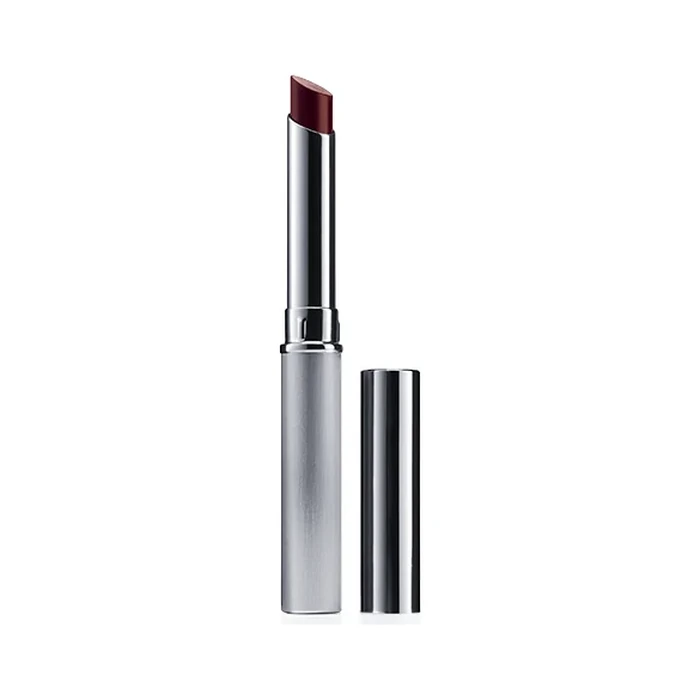 CliniqueAlmost Lipstick in Black HoneyFor the day after, when there is colour to be worn on a lip still recovering. Sheer and balm-based, so it is not sitting on the flakes and drawing attention to them.Buy on Amazon
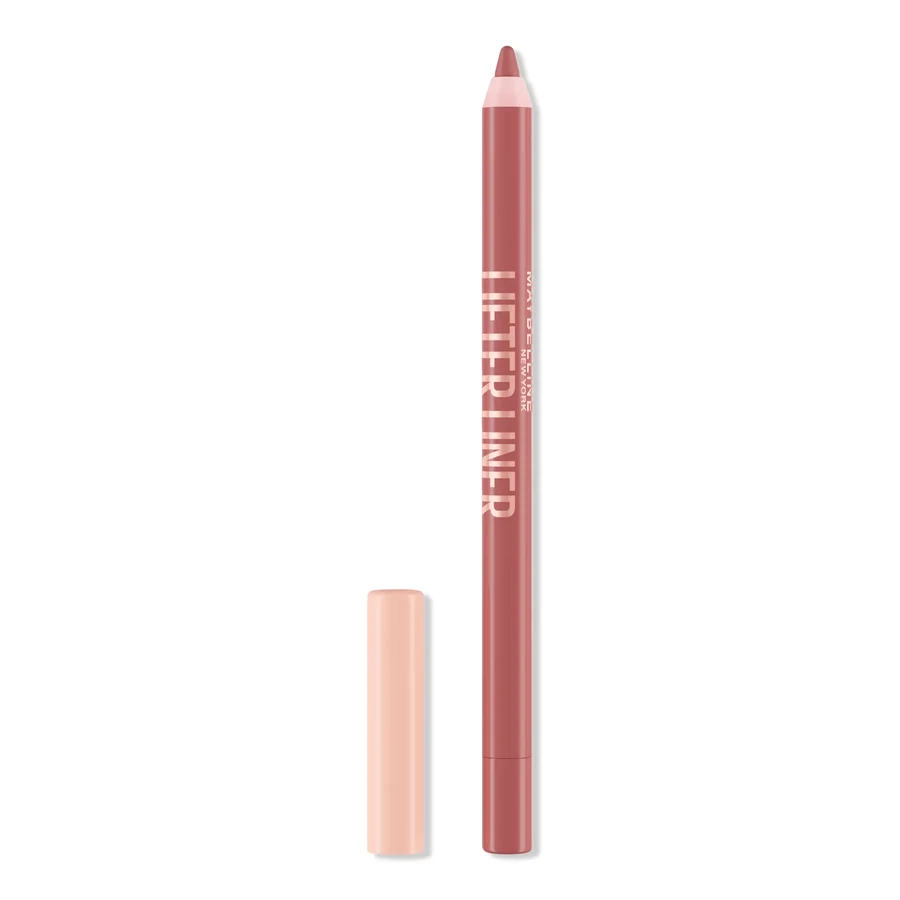 MaybellineLifter Liner lip linerIf a liner is part of the routine, this is the one that travels across a dry lip instead of catching on it -- hyaluronic acid in a twist-up rather than a hard wax point.Buy on Amazon
Prices live on Amazon, where they change hourly — so we never quote one. Every product here is a brand we would name out loud.
Overnight is when this is actually fixed
Every daytime application is removed within the hour by a cup, a sleeve, or your own mouth. The layer that repairs is the one nothing disturbs, which is why a heavy application before bed changes lips in two nights while a balm carried around all day changes them slowly or not at all.
Do not scrub a cracked lip
Exfoliating suits a lip with dead skin sitting loose on an intact surface. On one that is split it removes the healing layer and restarts the whole thing. The test is whether it stings: a lip that stings under a balm is a wound, and it wants occlusion and time rather than a scrub.
Matte lipstick is a cause as often as a symptom
The formulas that stay put do it by holding no water and gripping the surface, and a week of daily wear will dry a lip that was fine before. That is not an argument against them -- it is an argument for a balm underneath, and for a sheer formula on the days between.
Questions
- Why is it worse in winter and on planes?
- Both are dry air, and lips have no oil layer to slow water loss. The same fix, applied more often: an occlusive balm, and something over the mouth in real cold.
- Is petroleum jelly enough on its own?
- As a seal, largely yes -- it is one of the most effective occlusives there is. What it does not do is put water back, so it works best over a lip that is not already parched, or over a hydrating layer.
- Does drinking more water help?
- Only if you are genuinely dehydrated. Lips lose water to the air rather than to a shortage inside, which is why a sealing layer does more than a glass of water does.
Your turn
What should we dress next?
An occasion you cannot find anything for, or a product you want us to look at properly.